
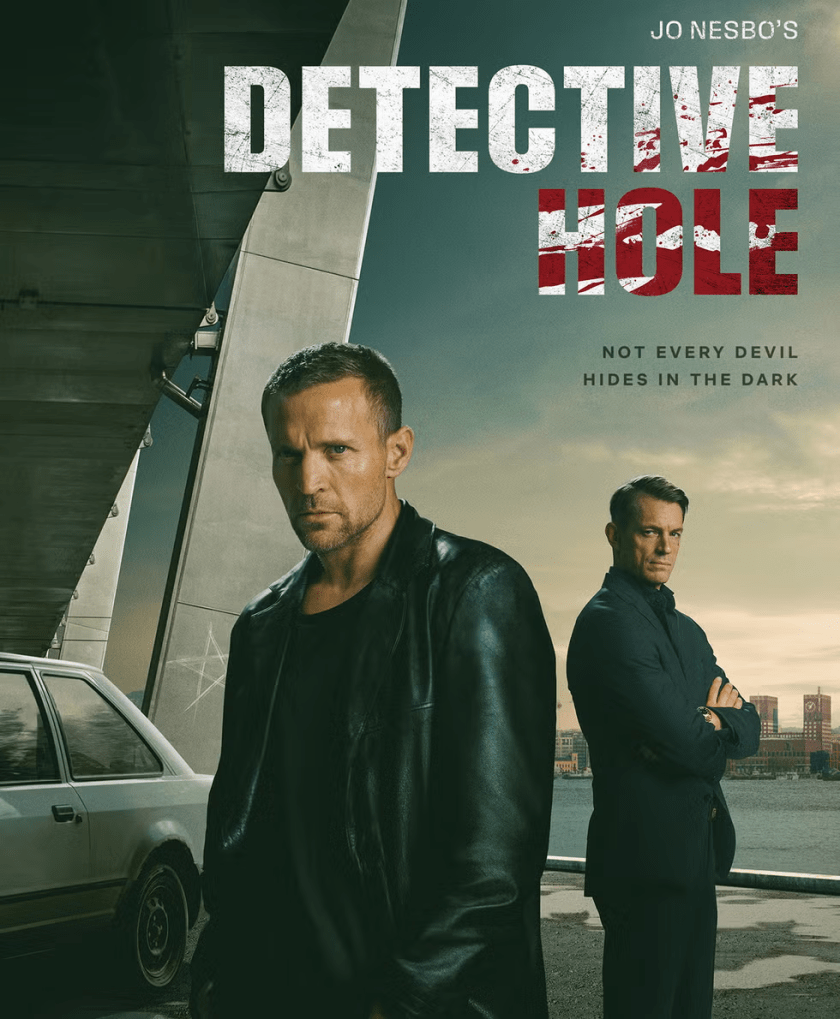

While the first episode introduced wider audiences to Jo Nesbø’s Harry Hole and his backstory from previous novels, the second digs into the devastating personal fallout of loss, all while introducing the perplexing new murder that hints at something far more sinister brewing in the city. The series now begins it’s adaptation of The Devil’s Star and cranks up atmospheric tension and character-driven storytelling.
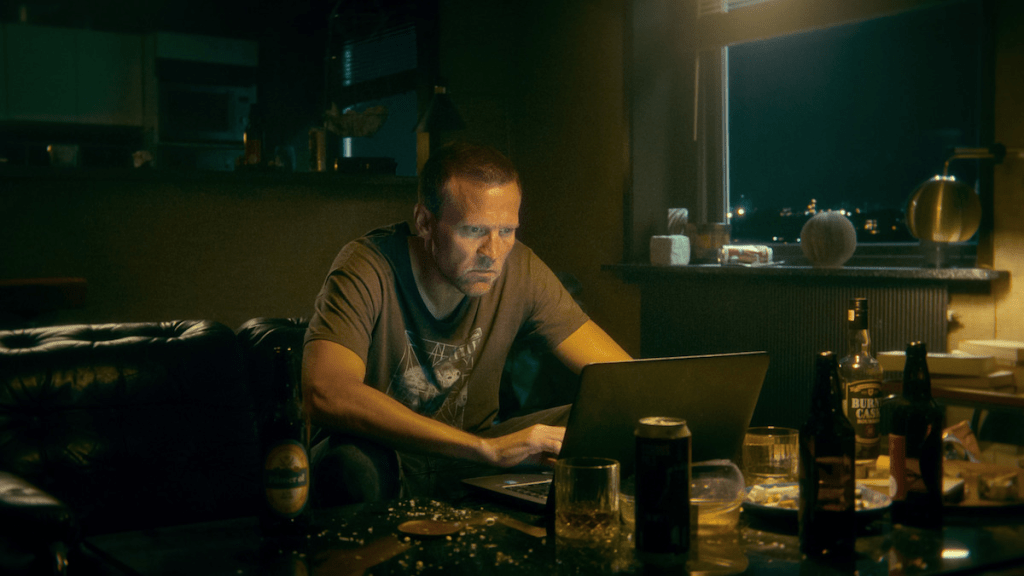
The episode opens two weeks later in a Thomas Harris style horror with the discovery of a gruesome murder in an apartment building: a couple notices something in their cooking pan and taste it before they notice the blood seeping through their ceiling from the upstairs neighbour, leading to a horrifying scene that immediately pulls Harry back into the fray. But he is spiralling from the personal tragedy of Ellen’s brutal death at the remote cabin. Santelmann conveys Harry’s unravelling with devastating subtlety. We see him leaving voicemails for his fallen partner, vowing to expose those responsible, his voice cracking under the strain. His has fallen back into the bottle, and feels painfully authentic rather than a crime drama cliché. Scenes of Harry alone in his sweaty apartment, surrounded by empty bottles and replaying footage or evidence, highlight his isolation. Yet Santelmann layers in moments of quiet determination, showing Harry’s brilliant mind still firing even as his body and spirit begin to fail.
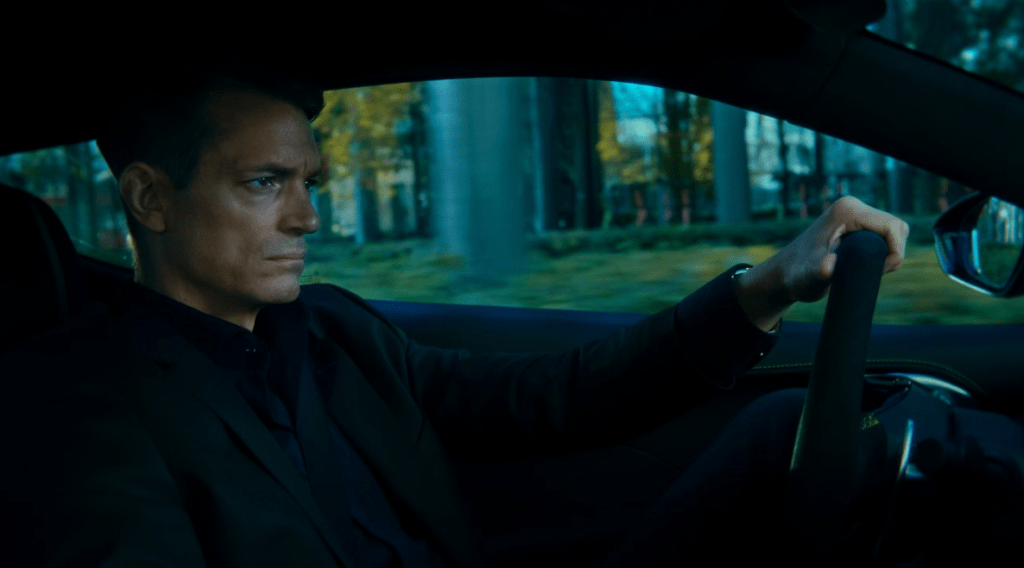
The new case, clearly a ritualistic killing, adds layers of mystery that blend seamlessly with Harry’s personal demons. He’s ready to give everything up but can’t let a mystery go. The crime scene is staged with eerie precision, featuring elements that suggest a calculated perpetrator toying with investigators. Harry, despite his deteriorated state, gets to work, his obsessive nature serving as both strength and curse. The episode smartly interweaves this investigation with the fallout from the weapons smuggling lead, where suspicions around institutional corruption start to surface more prominently. Joel Kinnaman’s Tom Waaler looms as a formidable presence, his slick exterior masking deeper menace. Waaler is one step ahead of everyone and the opposite of Harry in every way. He’s cool, controlled, and virtually emotionless.
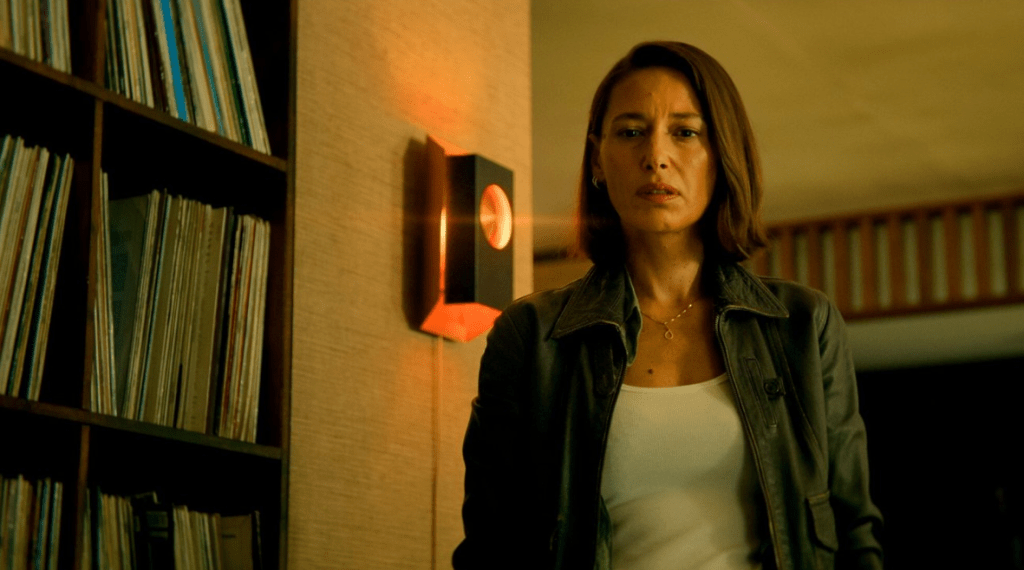
Pia Tjelta as Rakel, Harry’s girlfriend, brings contrast to Harry’s descent. Her scenes with him and young Oleg underscore the domestic life Harry risks losing. Oleg’s bond with Harry adds stakes, especially as the boy witnesses the growing darkness due to Waaler’s controlling interference. Beate Lønn (Ellen Helinder), Harry’s new partner and a super identifier – A human facial recognition system – emerges as a new ally, her expertise providing crucial insights into the new murder while offering Harry a professional anchor amid chaos. Harry’s world feels lived-in, with police station dynamics reflecting bureaucracy, loyalty, and hidden agendas.
The ongoing heat wave continues to amplify discomfort, with Harry’s scenes shot in sweaty close-ups and hazy sunlight mirroring Harry’s alcohol driven mindset. Harry’s home is claustrophobic and cluttered where as the crime scene and police stations are stark and brightly lit. The murder discovery and autopsy are shot with clinical detachment that makes the horror sink in gradually and Nick Cave and Warren Ellis’ haunting score of low drones and subtle pulses layers an unease to every scene.
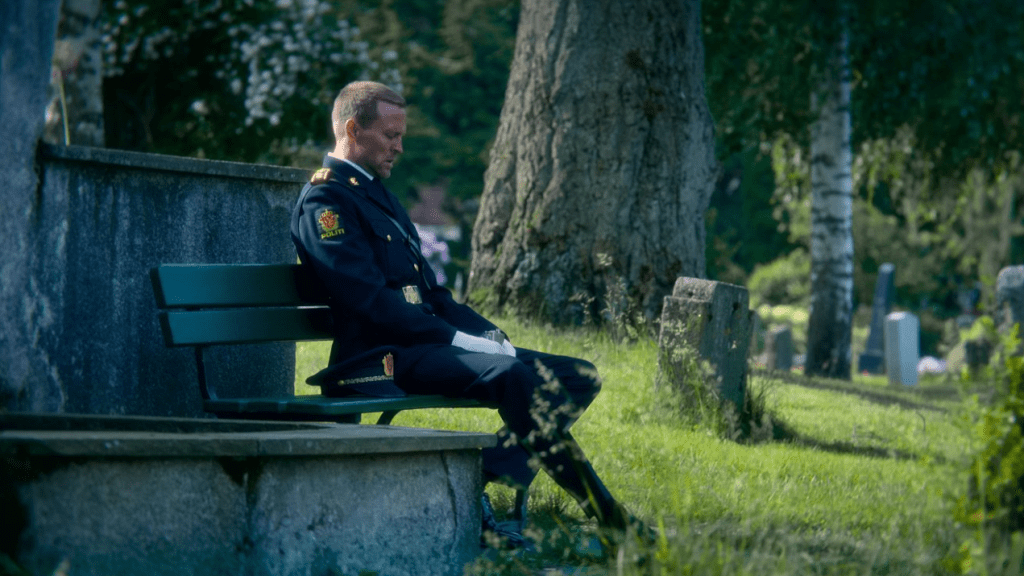
The episode balances Harry’s internal struggle with forward propulsion in the dual threads: processing Ellen’s death (he knows exactly what’s happened but he can’t convince his superiors) and probing the fresh homicide (he doesn’t have a clue whats going on). Harry’s attendance at the funeral, uniform-clad yet clearly broken is raw, understated, and heavy with subtext about duty and survivor’s guilt. His confrontation with superiors and colleagues reveals cracks in the department, laying the foundation for larger conspiracies.
Like the first episode, some of the serial killer elements feel like an afterthought, pushed to the side while the focus is on the character work. Also feeling slightly rushed for the same reasons is the exposition around police departmental politics but the story has space to breath and with ten episodes there is plenty of time for this to come to the forefront . One on the advantages on binge television is you don’t have to play all your cards at once to get the audience to come back
The shocking elements of the new crime scene blend seamlessly with the emotional core, creating a episode that feels both propulsive and introspective. Santelmann and Kinnaman’s chemistry continues to promise fireworks, and Kinnaman’s Waaler make’s a compelling villain with his creepy manipulation of Harry’s life being some of the most uncomfortable parts and you’re left asking: how many people does he have in his pocket? By the close, Harry is teetering on the edge but the new murder has given him the drive to keep going.
Ghosts cements the show’s strengths: nuanced anti-hero work, moody visuals, and a pitch black mystery that intertwines personal and professional stakes masterfully.
🌟🌟🌟🌟
 We Have Issues