
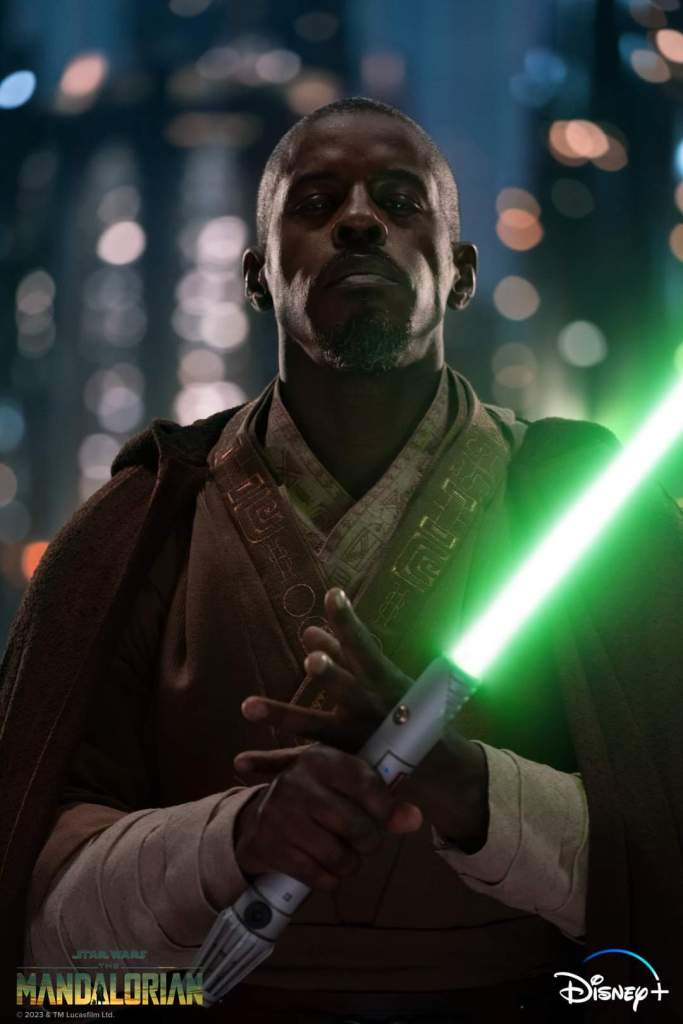

The Mandalorian return to a more familiar rhythm in The Foundling, with the focus shifts back to Din Djarin and Grogu, after the detour of the previous episode, delivering a chapter that blends action, character development, and Mandalorian lore into a tighter, more focused narrative. While it doesn’t quite reach the emotional or thematic heights of the series at its very best, it succeeds in re-centring the story and reinforcing the core elements that have made the show so compelling.
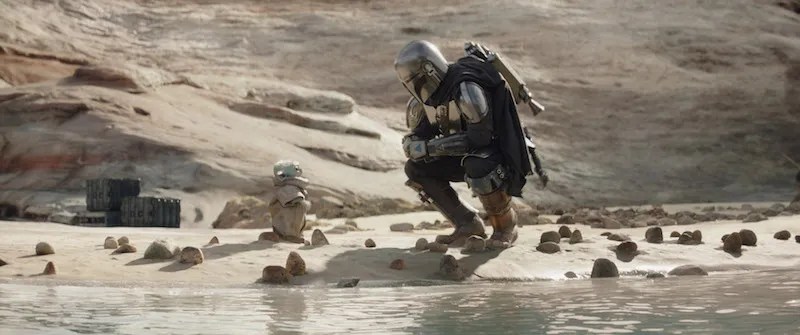
Directed by Carl Weathers, the episode leans into action, which is his forte. The Mandalorian covert, now re-established under the leadership of the Armorer, serves as the primary setting, allowing also allowing the episode to explore the culture and rituals of Mandalorian society in greater detail.
The opening sequences focus on training, with young foundlings learning the ways of Mandalore. These moments are more than just world-building—they reinforce the idea that Mandalorian identity is something taught, earned, and lived. Grogu’s participation in this training is particularly effective, offering both moments of levity and subtle character growth. His increasing confidence and ability, especially in his use of the Force, continue to evolve in a way that feels natural.
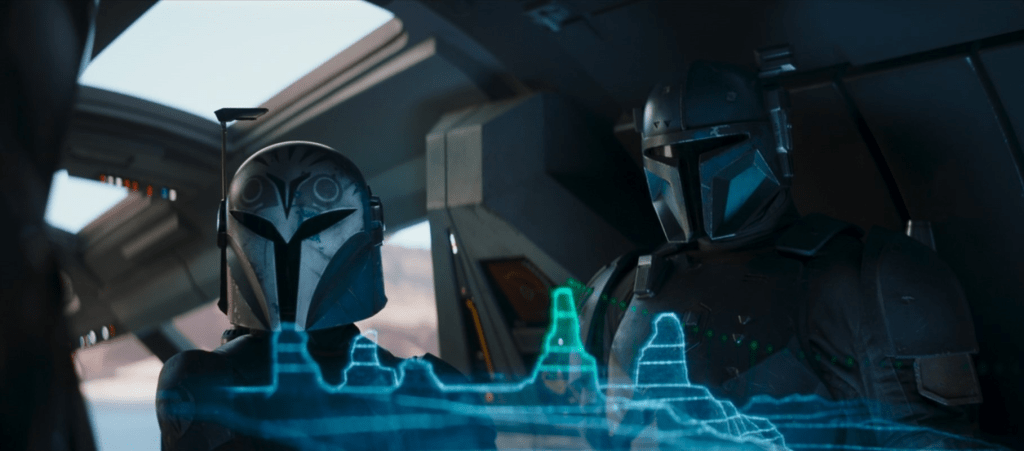
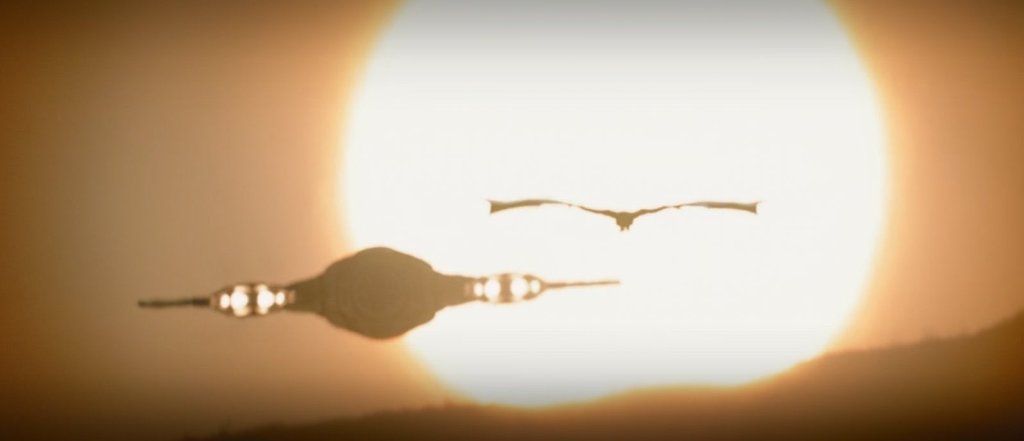
The episode’s central conflict emerges when a foundling is taken by a massive winged creature, triggering a rescue mission that brings Din, Bo-Katan Kryze, and a group of Mandalorians together. Bo-Katan (Katee Sackhoff), remains one of the most compelling figures in the series at this stage. Her gradual reintegration into Mandalorian culture, and the shifting perceptions of her among the covert, adds a layer of intrigue that elevates even straightforward action sequences.
The rescue itself is staged with a clear structure, moving from tracking the creature to navigating the harsh terrain and ultimately confronting it in its nest. Teamwork and strategy are emphasised, showcasing the Mandalorians not just as individuals, but as a cohesive unit. This focus on collective action is a welcome change from the more solitary tone that often defines Din’s journey.
Interwoven with the present-day storyline are flashbacks to Grogu’s past, depicting his escape from the Jedi Temple during Order 66. These sequences are among the episode’s highlights, offering long-awaited insight into one of the character’s most mysterious chapters. The return of Jedi Master Kelleran Beq (a character from short lived YouTube kids gameshow), played by Ahmed Best, is both surprising and meaningful, adding a layer of real-world significance for longtime fans. Best, long associated with Jar Jar Binks, is given a moment of redemption of sorts here, stepping into the role of a capable, courageous Jedi who plays a direct part in saving Grogu’s life. His performance brings both urgency and quiet authority to the sequence, grounding the chaos of the temple’s fall with a sense of purpose and heroism. This is a powerful full-circle moment, transforming an actor once at the centre of divisive reactions into a figure of respect and admiration within the canon. The flashbacks are elevated significantly by his presence, turning what could have been a simple exposition device into one of the episode’s most memorable and meaningful contributions.
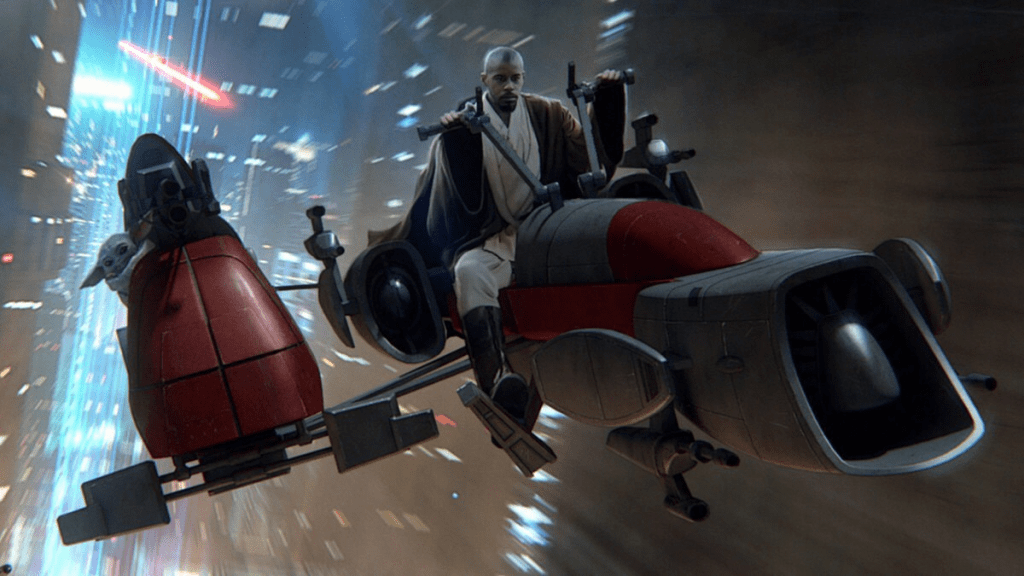
The flashbacks are handled with a sense of urgency and tension, contrasting sharply with the more grounded present-day storyline. They not only deepen Grogu’s character but also reinforce the trauma that underpins his journey. These moments help balance the lighter elements of the episode, ensuring that the emotional stakes remain present even amid the action.
Visually, the episode is strong throughout. The rugged landscapes, the dynamic aerial sequences involving jetpacks, and the creature design all contribute to a sense of scale and immersion. The action is clear and purposeful, avoiding the chaos that can sometimes dilute large group sequences. Each character has a role to play, and the choreography reflects that. All of this highlights what a loss the passing of Weathers was.
However, the episode isn’t without its shortcomings. The central rescue mission, while engaging, is relatively straightforward and lacks the complexity of some of the series’ more memorable conflicts. Additionally, while the flashbacks are compelling, they also highlight the contrast between the episode’s two narrative threads. The present-day story, while solid, doesn’t quite match the intensity or emotional weight of Grogu’s past, creating a slight imbalance in the overall impact.
The Foundling succeeds in what it sets out to do. It brings the focus back to the Mandalorians as a culture, reinforces the bond between Din and Grogu, and continues to build toward the season’s larger conflicts. It’s an episode that feels purposeful, even if it doesn’t push the boundaries as far as some of its predecessors.
🌟🌟🌟🌟

 We Have Issues