


Despite the fact that we’re now eight episodes deep into Jessica Jones, I’ve used precious little column space to talk about the show’s big bad, Kilgrave – AKA the Purple Man. Well, now that he’s finally stepped into the spotlight and made his desires uncomfortably clear, it’s the perfect to to cast a proper eye over David Tennant’s antagonist who – along with Vincent D’Onofrio’s Kingpin – both seem to be ensuring that Netflix is countering Marvel’s villain problem single handed.
The funny thing is, when Purple Man first showed up in 1964 as a Daredevil villain, the full extent of how creepy his powers were were never fully realised aside from the odd bout of messianic tendencies and the occasional illegitimate child. However, thanks to writer Brian Michael Bendis, the character reached his disturbing apex in the pages of Alias, which featured the debut of Jessica Jones in 2001. However, while they’ve dropped the purple skin (a mite obvious), there’s an argument to be made that the TV version of Kilgrave may be by far be the most unsettling yet and it’s high time we got to know him a lot better.
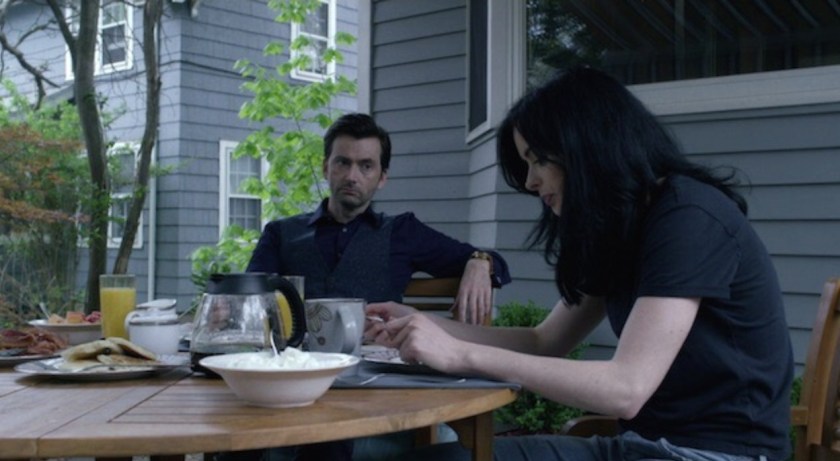
After finally being unable to bear the amount of deaths occuring in her name, Jessica Jones gives in to the whims of Kilgrave and voluntarily goes to him at his new lair – her old family home that’s been renovated to look exactly as it did when she was still a teen. While spending time with the man who controlled her and made her do terrible things is traumatic in of itself, the fact she’s living in a lovingly recreated home gives her flashbacks of the day she and her family were in a devestating car crash that only she survived.
However, the hits just keep on coming when Jessica finds out why Kilgrave has gone through all this trouble and after his near-death experience that led to Jessica escaping his control, it seems that he has truly (in his mind at least) fallen in love with her and actually wants to make a genuine try at a relationship. Vowing to not use his controlling powers on her as a show of faith, he genuinely feels that Jones, if given enough time, will have similar feelings for him.
However, repulsed at the notion, Jessica manages to see a bright side in being leveraged into staying with an obsessed, mind controlling monster and starts insisting that Kilgrave use his powers for good.
Remarkably, the lunatic is so desperate to impress the object of his affections, he not only goes along with it, but helps Jessica thwart a hostage situation. But it soon becomes obvious to Jessica that if they are to continue down this path, he’s way too far gone to actually tell the difference between right and wrong and would have to be guided permanently.
Willing to make the sacrifice, Jones nevertheless has to protect Kilgrave and his unwilling slaves from Simpson, who has enlisted some cronies to eradicate the villain for goof. But when the opportunity arises to finally blindside her abuser, will Jessica stick to her own ideals, or remove Kilgrave from the board once and for all?
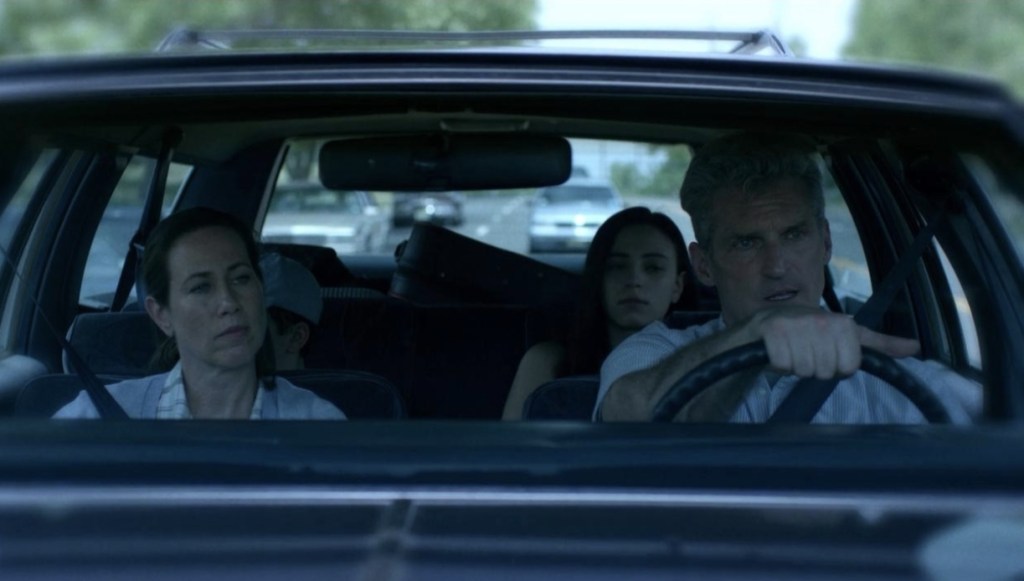
Thanks to the increased influx of all things Kilgrave, not only can we talk about how good writing can make a villain reach their full and utterly terrifying potential, but I can now spend some time gushing over how gleefully loathsome David Tennant makes his antagonist. Essentially a grown-up, petulant child who thinks the world owes him due to an abusive childhood, while watching Kilgrave play the villain is certainly unsettling, watching him play the hero is genuinely terrifying. The guy is so crazy, he just can’t wrap his head around the concept of being virtuous for virtuous sake, thinking that’ll it might eventually erase all of his evil deeds like some sort of karmic scoreboard.
Tennant dives in, making his character a selfish, impatient man-child utterly unable to take responsibility for his own action. Audaciously, he denies ever actually having killed anybody as he doesn’t consider compelling them to hurt themselves the same thing (he even denies telling Jessica to murder Reva, arguing semantics) and worse yet, when Jessica calls him a rapist, he legitimately looks confused at the accusation, again dodging the label as he is utterly incapable of understanding the horrors of what he’s done.
It’s here where subtext simply becomes text, as the confrontation between the abuser and the abused tackles subjects like the rapist claiming to be confused at what the nature of rape truly is, claiming that having sex with her while she was under his total control surely can’t count as he treated her to nice dresses and swanky restaurants all the time. In a time when movie villains are strangely likable, Tennant’s cocky, swaggering entitlement genuinely makes you hate this man, even when he’s being casually flippant about human lives or throwing an impatient mini tantrum because he’s not used to actually waiting on someone.
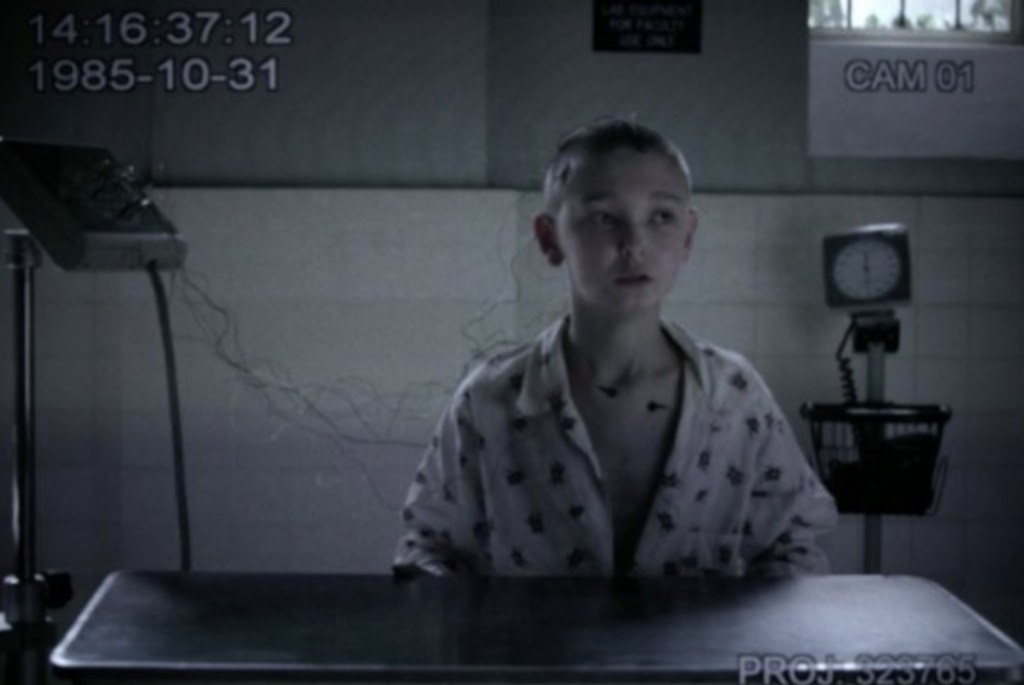
In fact, I’d maybe suggest that he’s done his job too well as some may be getting a little confused why Jessica is so dead set on enforcing her no-kill policy, but thanks to some timely flashbacks, we see that her accumulated trauma goes way further back that running into Kilgrave.
Yes, Jessica has continuously said that she needs Kilgrave alive because she want to clear the name of Hope Shlottman, but when you add the guilt of being forced to murder Reva Connors and the fact that she carries a fair amount of self-blame for the car crash that killed her family, it becomes obvious that she simply can’t bring herself to be responsible for the taking of any life – even Kilgrave’s. It’s a fascinating battle of wills that’s made all the more intriguing by the fact that at times it seems that Jones is feeling a pull to the dark, especially when Kilgrave uses his influence to humiliate a gossipy neighbour from Jessica’s past. I stated earlier in the season that the show is at it’s best when it’s exploring avenues other than simple black and white heroics, and “AKA WWJD?” (What Would Jessica Do) proves to be the latest, memorable example of this. There is literally no other avenue in the MCU where you could explore such raw themes like this to the level it deserves to be approached (could you imagine them trying something like this in Ant-Man?) and it’s for this reason that Jessica Jones may be one of the most important superhero shows in quite a long time.
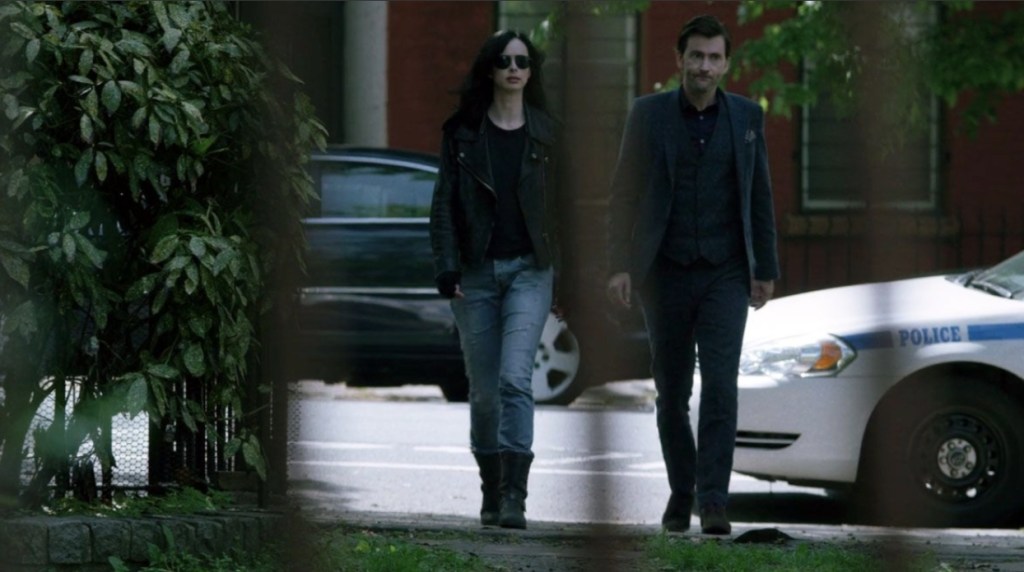
But now that Jessica has finally turned the tables on her abuser and spirited him away in about the most cost effective flying scene in superhero history (we’ll let it off because the drama is so strong), can the season still manage to hold us in its thrall now that it’s Jessica who could be holding all the cards? Plus, will a Purple Man origin story manage to foolishly undo the scariness of the man? You won’t need mind control to force me to tune in…
🌟🌟🌟🌟🌟

 We Have Issues