
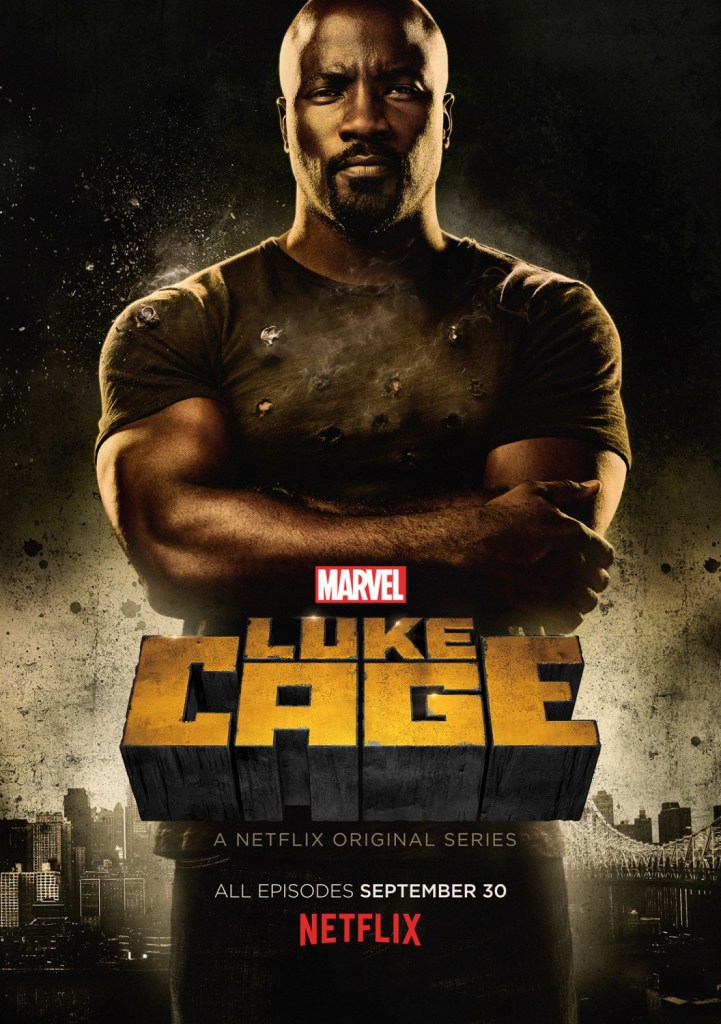
Three seasons into Netflix’s Marvel universe have already taught me to be somewhat wary. While Daredevil and Jessica Jones both had dizzying highs that genuinely could be hailed for moving the superhero genre into bold, new directions, their shows have also been mired by some pretty confounding pacing that repeatedly would cut off the season’s momentum at the weirdest moments. Simply put, while I’ve grown to be immensely fond of what the Neflix’s Marvel side hustle has given us, I’ve already learned that a season highpoint is usually temporary.
So it’s with mixed feelings that I have to say that Luke Cage’s second episode is precisely what I’d want a Luke Cage show to be. After the scene setting of episode 1, the show has already settled us into its world nicely and now promises to give us the full, Power Man treatment. But here’s my issue: if a show in this notoriously inconsistent universe peaks in its second episode, is the show going to be able to keep it up for another eleven episodes?
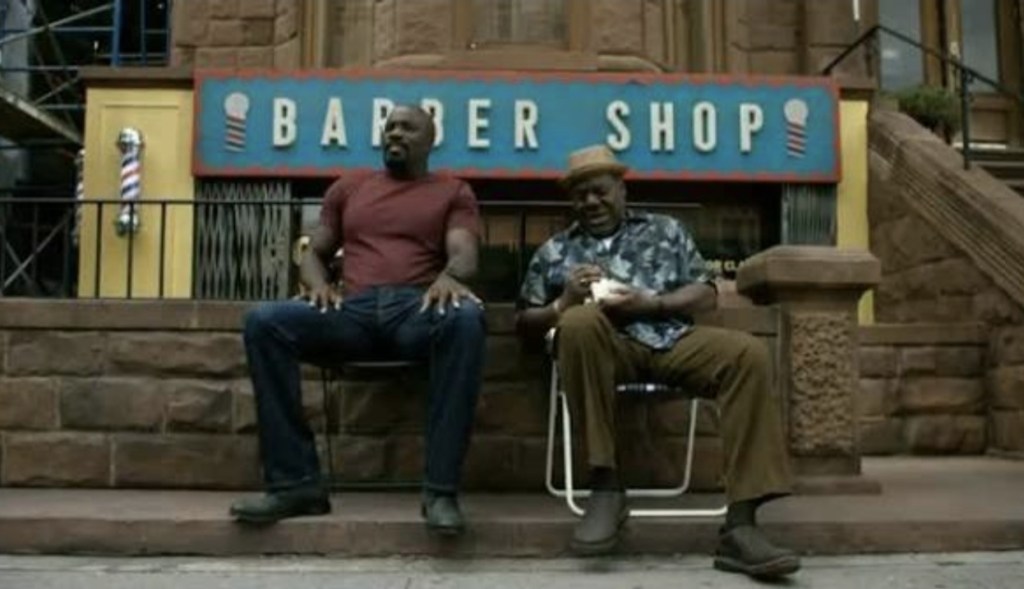
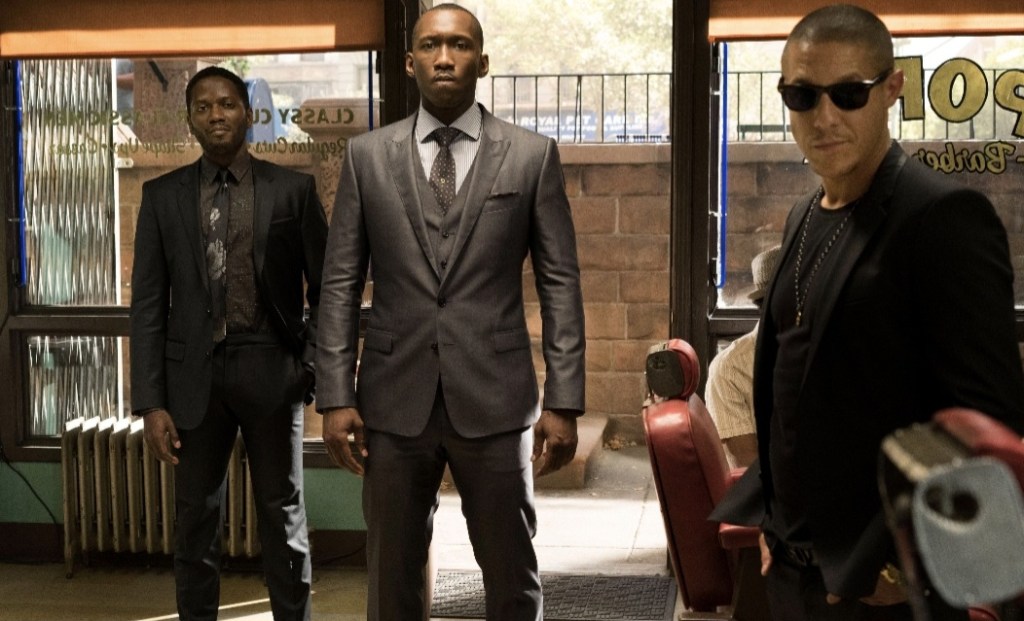
In the aftermath of the botched hijacking of Cornell “Cottonmouth” Stokes’ arms deal, all hands are on deck to locate the final member of the trio that stole a sizable amount of cash. While one member was shot on the scene and another was captured and beaten to death by Cottonmouth himself, everyone has feelers out to lay their hands on the final member, Chico. Stokes obviously has his goons – Tone and Shades – out looking for him, and detective Misty Knight and her cynical partner, Scarfe, are also beating the street in order to close the case; but the one with the most skin in the game is Pop.
After reforming himself after a decade in prison, Pop has ensured that his barber shop is “Switzerland” to the various townsfolk on both sides of the law and as Chico and his now-dead friends used to hang out there, he just wants the kid to be safe. Knowing that Luke Cage popped his superhero cherry last night and saved a Chinese restaurant from some money collecting thugs, Pop calls in a favour and tasks the unbreakable man with locating Chico in order to parley some sort of deal with Cottonmouth. Slowly growing more eager to head out onto the streets and do some good, Cage agrees, but unbeknownst to him, events have been set in motion that is about to spell disaster.
As everyone looking for Chico sets foot in Pop’s barber shop sooner or later, the various groups on both sides of the law soon start to get acquainted with one another, but it’s Cage who mamages to find the kid first and convince him to come back in. However, it’s tough to keep secrets in Harlem for long and after Tone gets wind of Chico’s location, he decides to take matters violently into his own hands. But when the bullets stop, the terrible ramifications light a fire under Luke to set things right and look into just how deep the bond between Stokes and his city council woman cousin, Mariah, truly is.
I’ve never actually read a solo Luke Cage comic before, but I’d mostly become familiar with the character thanks to Brian Michael Bendis’ use of him in both his Jessica Jones titles and the New Avengers, however, if I had to imagine how I would picture a modern, live action Luke Cage playing on screen, it would totally be exactly like “Code Of The Streets”. While it may admittedly be a little short on moments where it’s title character stretches his mighty sinews and slap some street thugs around, but when it comes to letting this corner of the MCU naturally breathe, it’s nigh-on perfect. Obviously, the entire point of it is to galvanise our hero into action by building up to a tragedy that’ll give him the push he needs to fully embrace his destiny, but the way the episode goes about it means that it’s main cast – plus a few pleasant additions (hi, Turk) – all get plenty of screentime to further their arcs.
To strip it to its basics, Code Of The Streets covers the basic beats of a superhero motivational arc. The hero starts off reluctant, unwilling to ply his skills toward making things better, but thanks to a tragic death that probably could have been avoided his he’d blossomed quicker, he realises that his gift of shrugging off bullets has to be channeled into something more selfless. However, when you add the various layers that the showrunners have already put into place, everything comes alive and much like how Daredevil’s strengths lay within it’s gritty crime operatics and Jessica Jones played into feminine fears of toxic masculinity, Luke Cage’s crowning feature is making Harlem itself a living breathing character which gives it’s varied cast plenty of room to move around in. There’s also that welcome dip into black culture too, that not only gives us a Faith Evans performance at Harlem’s Paradise, but we also get an intriguing conversation where Cage and Pop name drop black, literary, crime writing greats such as Chester Himes and Walter Mosley. Not only does it aid the authenticity of the show, but it’s a nifty way to clue unfamiliar viewers into elements of black culture that could prove to be the seed to aid people to explore further.
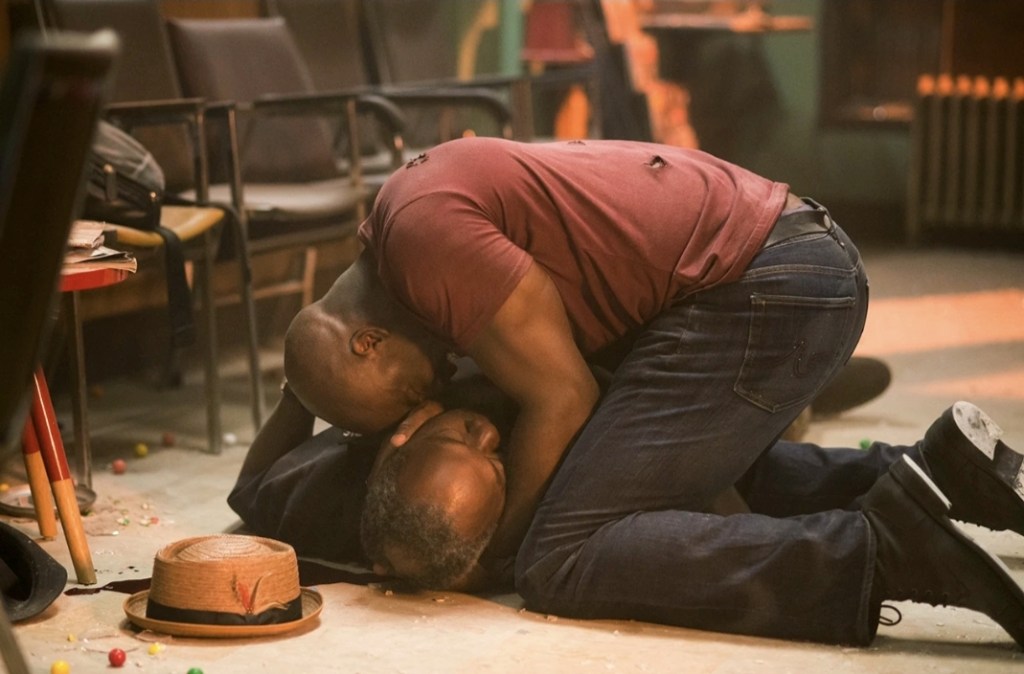
Beyond the cultural aspect, I was genuinely floored that the show would kill Frankie Faison’s Pop so soon into the season, but even though the show has him go through the same ordeal as the Wayne parents or Uncle Ben to motivate the lead, at least the show manages to flesh him out a little more before an overzealous Tone lights up Pop’s barbershop in order to get at Chico. But with the deepening of Pop’s history, we also find that the episode uses it to enrich everything else – obviously, he’s something of a mentor to Luke, but when we delve into Pop’s past we find that he actually came up through the streets with Connell and Chico’s father. Further more, he also has a preexisting relationship with Misty as everyone in Harlem growing up knew him and we also discover that the multi-talented detective knows her way around a basketball court too.
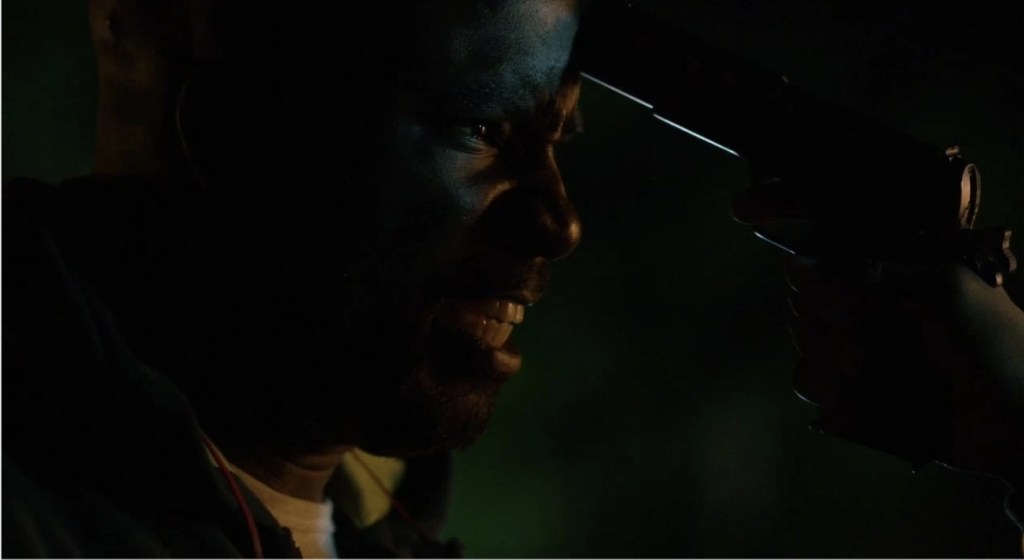
However, the most important thing about Pop getting popped is how it sets both the hero and the villain on their respective courses. Cage is still as proud as ever, stumbling across Mariah Dillard’s involvement and intimidating a street punk who addresses him with the n-word (Cage hates the n-word); but it’s Mahershala Ali’s Stokes who gets fired up the most, realising that his underling overstepped his bounds and course correcting by hurling him off the nearest roof. However, while there’s a couple of minor logic issues (with the Avengers being public knowledge, and Misty being a detective and all, surely she should be able to figure out that Luke has powers instantly) and Netflix’s inability to properly plot out their Marvel seasons for the full thirteen episodes looms large, right now Luke Cage is operating at full strength.
While I have to say that Luke Cage potentially peaking so early would be considered a win for other shows, we’ll have to see whether it can keep that momentum, or ends up crashing out by the midway point. However, this shouldn’t take anything away from the fact that Code Of The Streets is a near-perfect showing for Marvel’s hero of Harlem and the world that surrounds him.
🌟🌟🌟🌟🌟

 We Have Issues