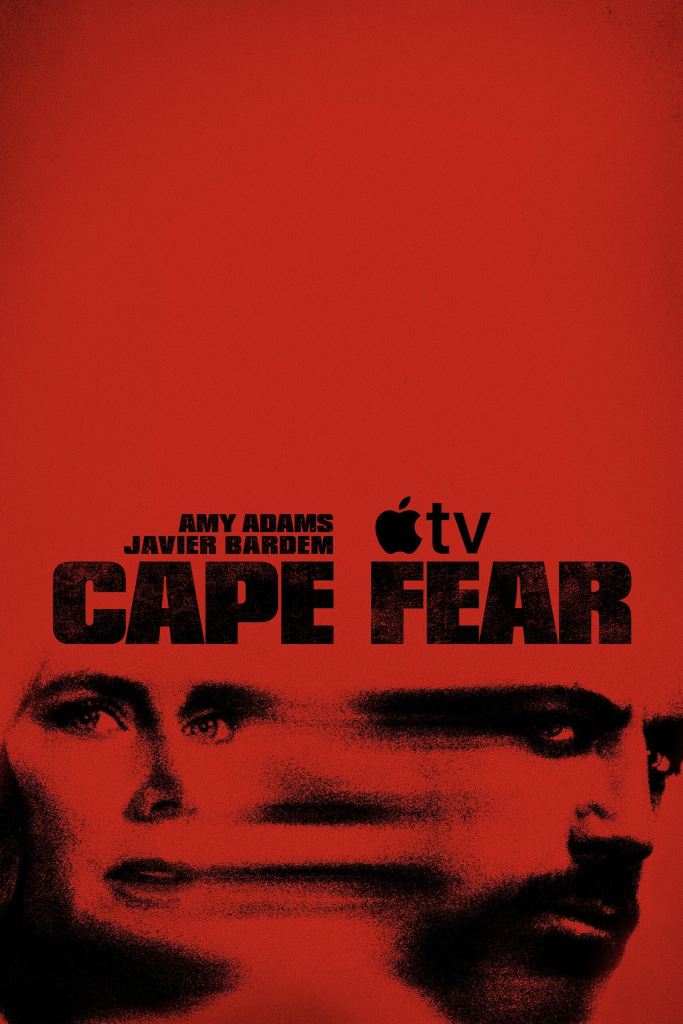
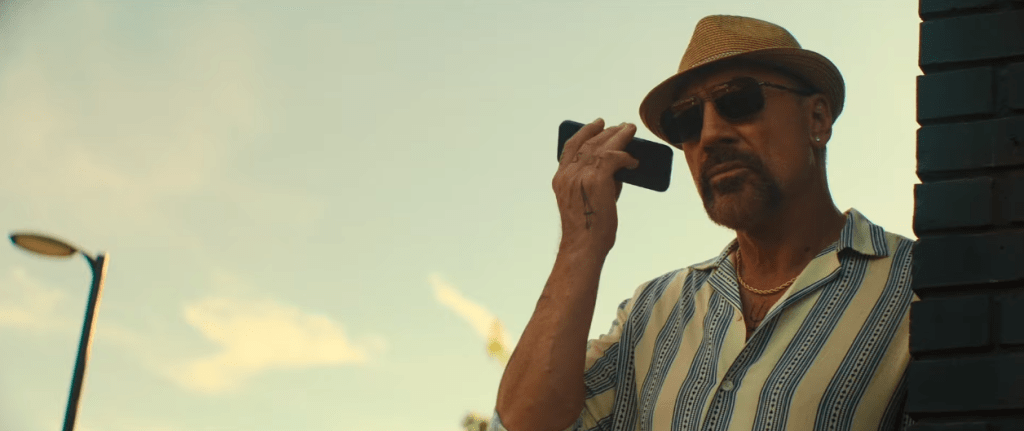
Cape Fear once again delivers another layer of creeping dread and and southern gothic, continuing the series’ slow-burn psychological thriller approach, expanding on the Bowden family’s unravelling while Max Cady tightens his grip. The episode opens with Max Cady (Javier Bardem) in a ritualistic, candle-lit moment at what appears to be a personal shrine, complete with an ultrasound image, a drawing of a son he never had the chance to raise, and eerie totems. It’s a haunting visual, boarding on supernatural, that plays up his obsession and hints at deeper paternal longings (or manipulations). Bardem continues to excel in the role, bringing a magnetic, unpredictable charisma to Cady that ups the creap factor feels from previous portrayals but maintains the character’s literate, vengeful core. Whether he’s buying Tom Bowden (Patrick Wilson) a drink at the club or planting seeds of doubt, there is always some form of manipulation taking place.
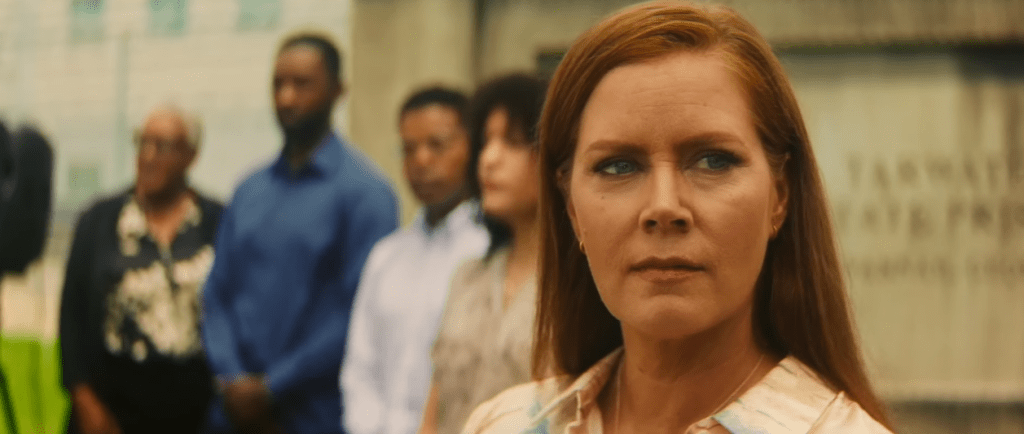
Anna Bowden (Amy Adams) remains at the centre of the story, giving the series a female perspective . Tasked with helping exonerate Ruben Ramirez, she visits a chilling ex-con witness named Smiley, whose snake-filled home provides one of the episode’s most tense sequences. Anna tries to navigate the uneasy encounter, only to have her recording device end up in a vivarium. This forces her to lean on Cady for results, a decision that compromises her ethics and draws her deeper into his orbit. The payoff of Max handling Smiley off-screen with ruthless efficiency, then presenting a taped confession highlights Anna’s growing moral ambiguity. Adams portrays this internal conflict beautifully, showing a woman who justifies shortcuts for the “greater good” but is clearly being played.
Ambiguity is layered through out the episode. A moment that brings everything into question is Cady’s unsolicited kiss on Anna after she enlists his help. Her reaction, part repulsion, part hesitation, suggests a shared history beyond what we’ve seen. The episode teases possibilities without over-explaining. Later, when Juliette Lewis’s mysterious stalker character confronts Anna with a camcorder and pointed questions (“Are you his whore now?”), creates even more uncertainty. Lewis brings a raw, unhinged energy that juxtaposes Barden cold, calm, cunning.
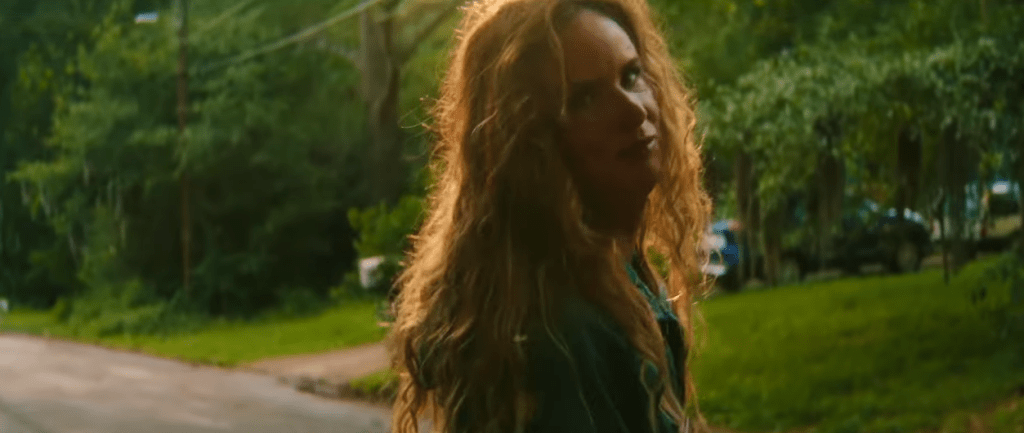
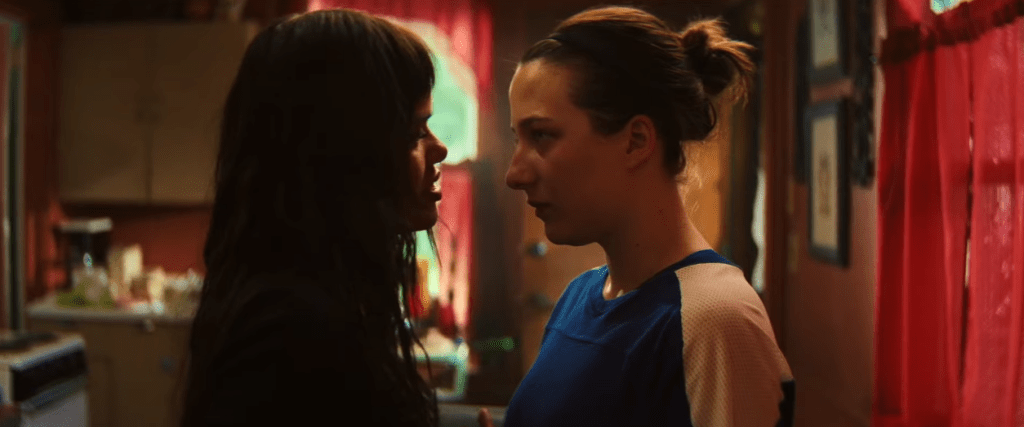
On the family side, the teenage Bowden children are drawn further into events. Natalie (Lily Collias) continues her rebellious turn, skipping soccer practice to join Nevaeh (Malia Pyles) for an impulsive nipple piercing in a decidedly unsterile setting. The sequence is edited with clever visual callbacks (a fork stabbing fruit earlier in the episode), and the subsequent break-in at a friend’s house for pot, snacks, and more intimate moments amps up the teenage recklessness. It effectively shows how easily external influences can shatter a “good girl” facade. Nevaeh’s influence feels dangerously seductive, and the reveal that she’s likely Max Cady’s daughter, born from a prison affair with a nurse, lands as a genuine game-changer. It unifies the threats against the family and explains the “AngelX” online persona manipulating both siblings.
Zack (Joe Anders) storyline comes to the forefront. His therapy session with Tom exposes generational trauma, particularly around Tom’s brother’s death (framed publicly as a car accident but revealed as suicide). The pool scene where Tom “rescues” a floating Zack offers a rare tender father-son moment, only for it to fray at an art show where Zack attempts a botched apology to Sophia. The inclusion of footage from Hitchcock’s Shadow of a Doubt at the show is mirrors the intrusion of darkness into suburban normalcy.
The series’ deliberate is staring to run the risk of being a double-edged sword. While the show spends significant time on vibes and side developments, which enriches the world, there is a question about how far this cane all be stretched out. Some scenes, like Cady’s confrontation with the used car salesman (tied to his infidelity and past), deliver pulp thrills and great Bardem monologues, yet contribute to a sense that the show occasionally prioritizes atmosphere over the story’s forward momentum. In a 10-episode format, this works for immersion but risks testing patience, with both previous adaptation being tight and taut. The Bowden kids’ arcs (in the films there was only a daughter), while compelling, occasionally strain credulity, though the actors are currently managing to sell it..
Unlike the leaner films, this adaptation layers in modern elements like media scrutiny turning Cady into a celebrity with “Cady Hawks” followers, online manipulation via texts, and expanded family dynamics. It probes not just external threat but internal weaknesses: Anna’s ambition, Tom’s suppressed trauma, the kids’ isolation. Cady isn’t just terrorising from afar; he’s embedding himself, offering “help,” and exploiting cracks. This makes the horror more insidious and relatable.
By the end, with Ray’s (Jamie Hector) bombshell about Nevaeh and the setup for further confrontations, Pierced leaves you unsettled and eager for more. It pokes at the Bowdens’ protective bubble in multiple ways, professionally, romantically, psychologically, while delivering a shocking family twist that turns everything on it’s head.
Pierced solidifies Cape Fear as a stylish, ambitious thriller that respects its sources but is now taking its own path. Its atmospheric depth, performances, and escalating pulpy revelations make it compulsively watchable. The series is hitting its stride, turning a familiar story into something freshly disturbing for a new era.
🌟🌟🌟🌟

 We Have Issues