
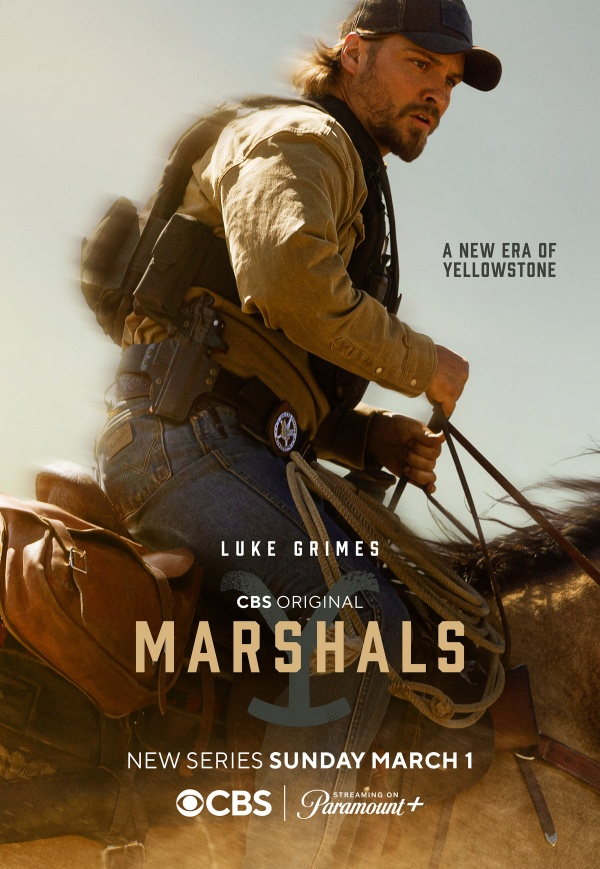

Marshals reaches its fifth episode And finally gives Tate something to do in a two-part storyline opener that shifts focus from broader threats like bombers and rancher standoffs to a more personal and socially charged case involving missing Indigenous women and girls from the Broken Rock Reservation. While the episode delivers some emotional weight and timely themes, it also reveals the show’s ongoing struggle to balance procedural action with meaningful depth.
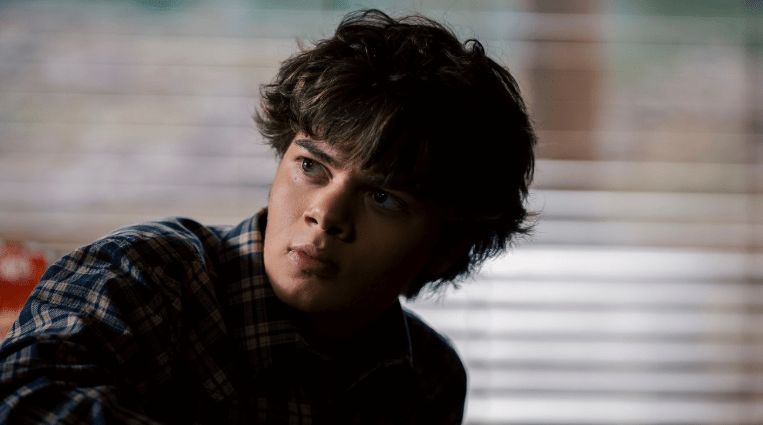
The story begins at a more intimate level for the Duttons. Kayce attempts to sell Monica’s temperamental mustang, a horse that holds sentimental value for both him and his son Tate. The sale falls through when the animal acts up, biting a potential buyer and leaving Tate visibly amused. The animals action allows him to keep the horse and tells his father that this is a sign that he should attend his mother’s remembrance ceremony. Their father-son dynamic feels strained yet authentic, with Brecken Merrill bringing a quiet intensity to Tate’s frustration and Luke Grimes continuing to portray Kayce as a stoic father.
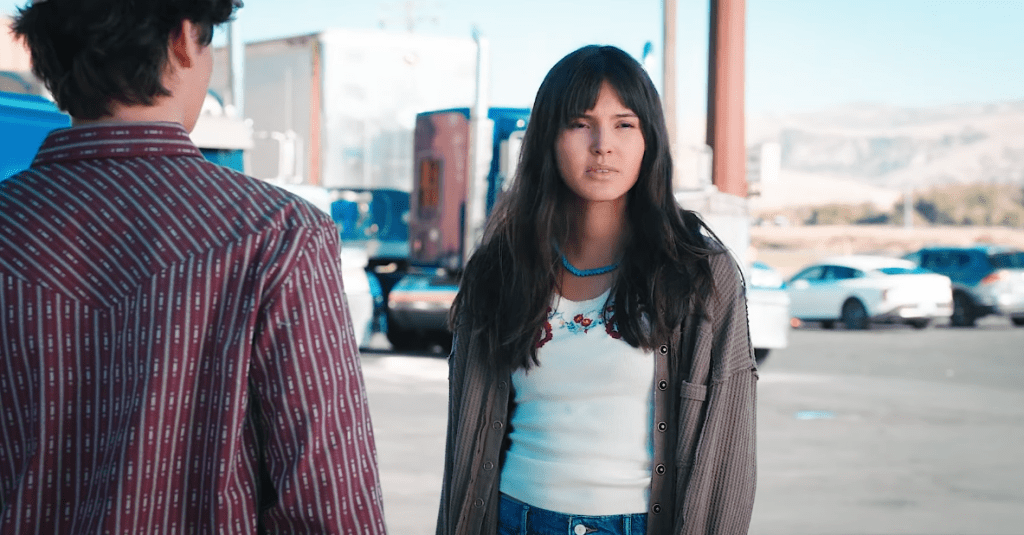
This week’s central case begins when Tate crosses paths with an old school friend from the reservation, Hayley, whose erratic behaviour suggests she may be a victim of trafficking. Kayce quickly learns that Hayley was reported missing weeks earlier, prompting him to throw himself into the investigation. This personal connection drives Kayce to go somewhat rogue, prioritizing the search over a planned commemoration or memorial event tied to honouring Monica’s memory. This all links back to the early years of the main Yellowstone show, referencing Monica’s past advocacy for missing Indigenous women and even nodding to an early season moment where Kayce rescued a kidnapped Native girl. Tate argues that pursuing these lost girls is the best way to honour his mother, adding an emotional layer that ties the procedural elements to the family’s ongoing healing.
At Marshals headquarters, the team led by Pete Calvin (Logan Marshall-Green) gets pulled into the case, though jurisdictional hurdles with the reservation create immediate friction. Thomas Rainwater (Gil Birmingham, reprising his role) expresses skepticism, noting that local authorities have a history of offering help only to abandon the cases shortly after, leaving families with false hope. The Marshals’ decision to push forward despite pushback from tribal leadership adds moral grey areas.
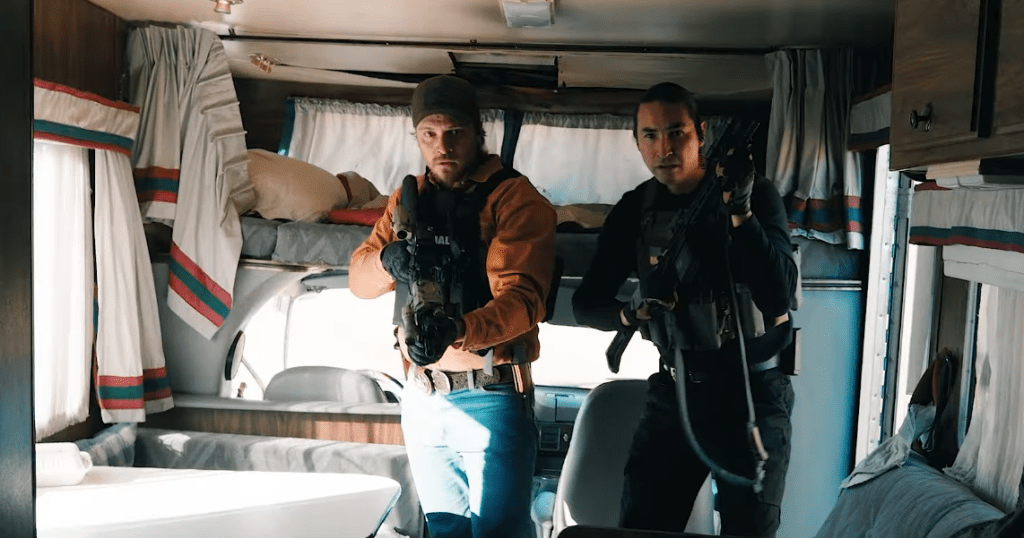
The action ramps up in the latter half as the team tracks leads on a suspected sex trafficking ring targeting teens from the reservation. A tense highway confrontation culminates in a shootout with traffickers. Kayce and fellow Marshal Miles enter a van expecting to find the girls, only to discover it empty, setting up the cliffhanger for the next episode. While the sequence delivers adrenaline, it feels somewhat formulaic, relying on familiar chase-and-shoot beats without any unpredictable edge. The procedural elements move efficiently, but sideline the deeper emotional or cultural nuances of the trafficking crisis in favour of moving the plot forward.
Lost Girls does manage to keep Monica’s spirit alive through Kayce and Tate’s actions. Grimes delivers understated gravitas as Kayce wrestles with whether he’s truly moving forward or simply channelling his grief into vigilante-like pursuit. Merrill’s Tate feels increasingly like a young man, as a character and actor (he’s been with the franchise since the beginning), finding his voice, pushing his father toward choices that echo Monica’s advocacy. These family moments provide the episode’s heart, preventing it from becoming just another case-of-the-week. However, the handling of the larger issue sometimes feels uneven, the acknowledgement the scale of the missing girls crisis is handled much better in Taylor Sheridan’s own Wind River.
In the end, it represents a step forward for Marshals by giving Kayce a case that feels intimately tied to his past and present. It links to Yellowstone universe through callbacks and tribal connections while pushing the Marshal team into more collaborative (and conflicted) territory. The two-part structure leaves you wanting to comeback even when the action feels routine, though the series still feels like it’s searching to find it’s own voice voice. Once again it’s competent, sincere, and occasionally compelling without fully breaking new ground.

 We Have Issues