
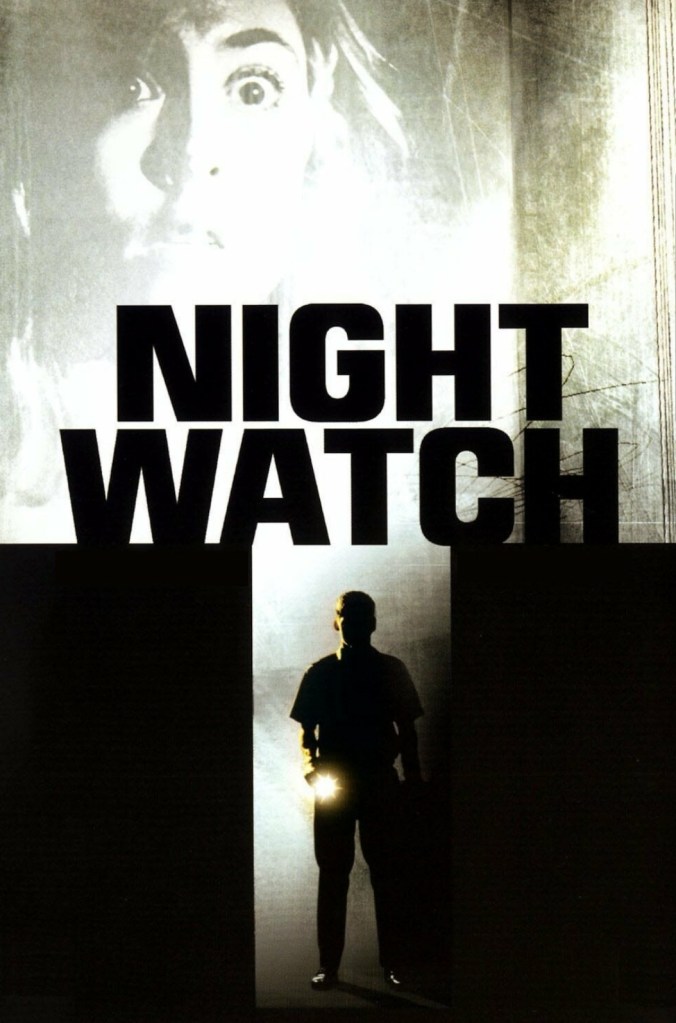
These days, settling down to watch a creepy, intricate thriller that comes from more Scandinavian climes is almost second nature thanks to the global success of Niels Arden Oplev’s The Girl With The Dragon Tattoo, but back in 1994, paving the way was Ole Bornedal’s Danish horror/thriller, Nightwatch. Now, this isn’t to be confused with Timur Bekmambetov’s 2004 Russian horror/fantasy, Nightwatch, and it’s certainly not to be confused with Bornedal’s American remake that added some famous faces only to lose its edge; but numerous pretenders to it’s title aside, Nightwatch was something of a big deal when it first landed.
And yet now, it seems to be all but forgotten which is something of a shame because when it comes to impossibly morbid, atmospheric thrillers that concerns complicated players, Nightwatch is kind of the real deal.
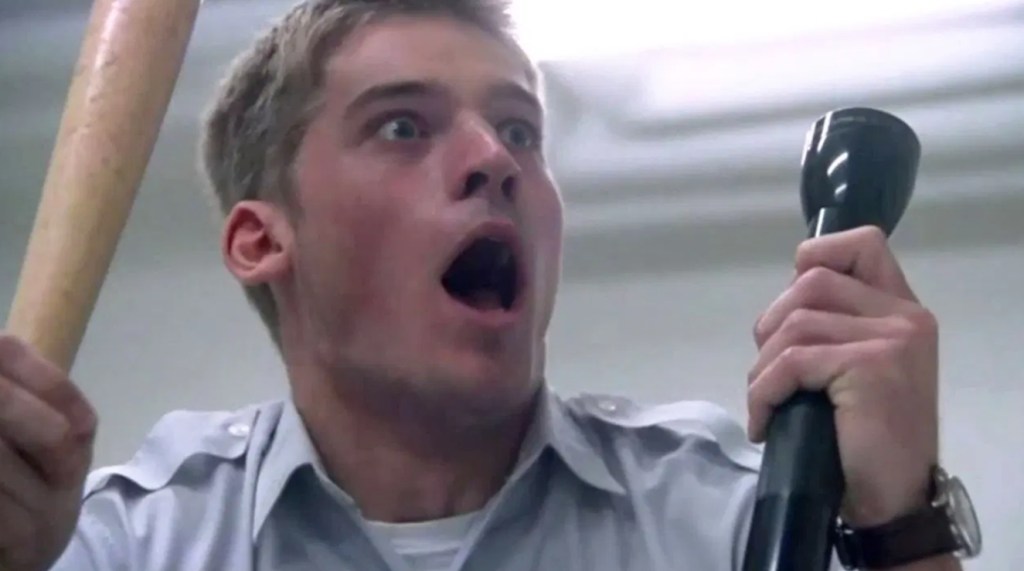
Martin Bork is a 24 year old law student who is about to start a student job as a night Watchmen at a Forensic Medicine Institute, but is soon becomes clear from his first day that this is a job that eventually takes a toll on the poor shmoe who has to do it. Not only is he required to walk the premises utterly alone in the dead of night, but one of the rooms he has to check is the morgue, which proves to be an understandably nerve-racking ordeal – especially after hearing some ghoulish stories of necrophilia from the grizzled old man he’s replacing.
However, when he isn’t absolutely shitting himself at work, Martin is in something of a toxic relationship with his best friend Jens, whose bitter and cynical view of the world sees them both start to act out by challenging each other to ever more destructive dares. While their behavior causes understandable tension with their respective girlfriends, Kalinka and Lotte, Jens shows just how misanthropic they can really get when they propose to go all out with their adolescent game of dare with the loser having to marry their girlfriend and thus lose their “freedom”.
Jens throws himself into the game like a man possesed and his challenges almost immediately get way too extreme, going as far to set Martin up with a deeply uncomfortable dinner in a extravagant restaurant with a 16 year old prostitute, but unbeknownst to them, Martin has popped up on the radar of a local serial killer who gets his kicks from murdering, raping and scalping women in that, highly disturbing, order.
Soon, before you know it, the killer tries to manufacture evidence to point the finger of suspicion onto Martin and due to his present behaviour, the accusations might actually stick. And that’s why my student job was stacking shelves at Tesco.
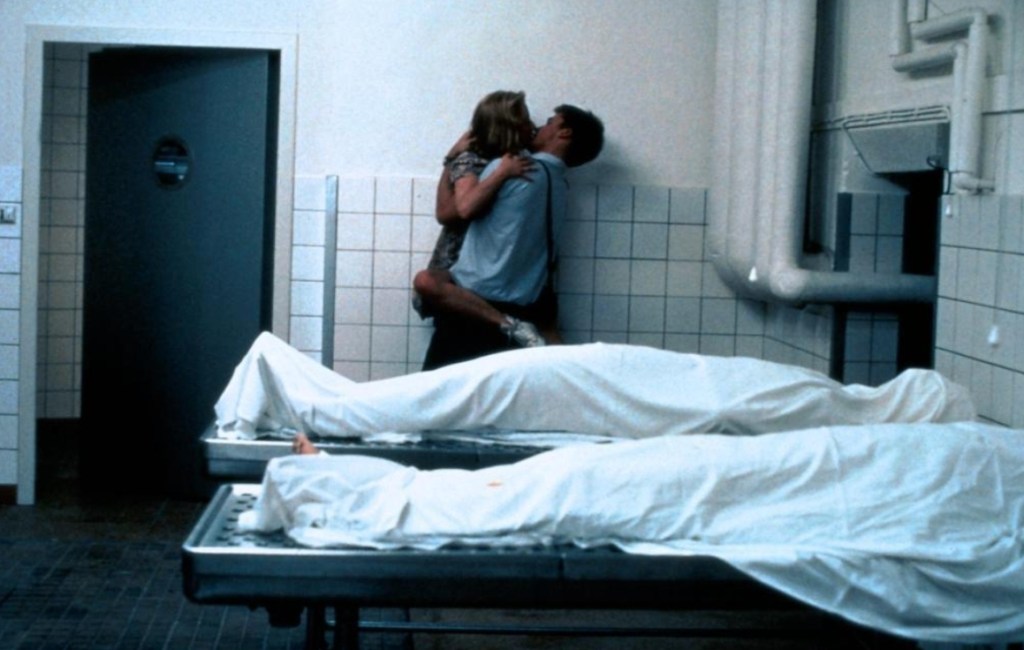
While all the usual aspects of a unfeasibly grim euro-thriller are all present and correct (in case you didn’t pick up on it before, the killer has sex with dead bodies, people), what really stands out from Bornedal’s exceedingly twisted psycho thriller is the atmosphere, which upon your first viewing is so thick and cloying, there should be a government health warning directed to any asthmatics who watch this film. In fact, as good and creepy as the serial killer stuff is, nothing else in the movie manages to top the scenes of Martin simply going about his job in what must be the single most intimidating form of employment in 90s cinema history. From the opening scenes that sees an almost unrecognizable Nikolaj Coster-Walda start his first shift, the Forensic Institute proves to be a marvelous place to set a thriller as it does of the work. In fact, Borndel is even smart enough to make the opening scenes a tour of the place as the grizzled old fart that Martin is replacing literally takes the audience on a tour of this insidious place and al the little details that cone with it. Whether it’s that room that has bodies just mulching in plastic tombs or the genuinely unsettling warning that being aning the dead for prolonged periods of time will make your breath start to stink, Borndel expertly buries these nuggets deep into your brain to keep you completely off balance. Yes, some of it is deliciously used as red herrings – the fact you’re waiting for that morgue alarm to go off is so agonising, the fact that it does and has nothing to do with the serial killer plot doesn’t seem to matter.
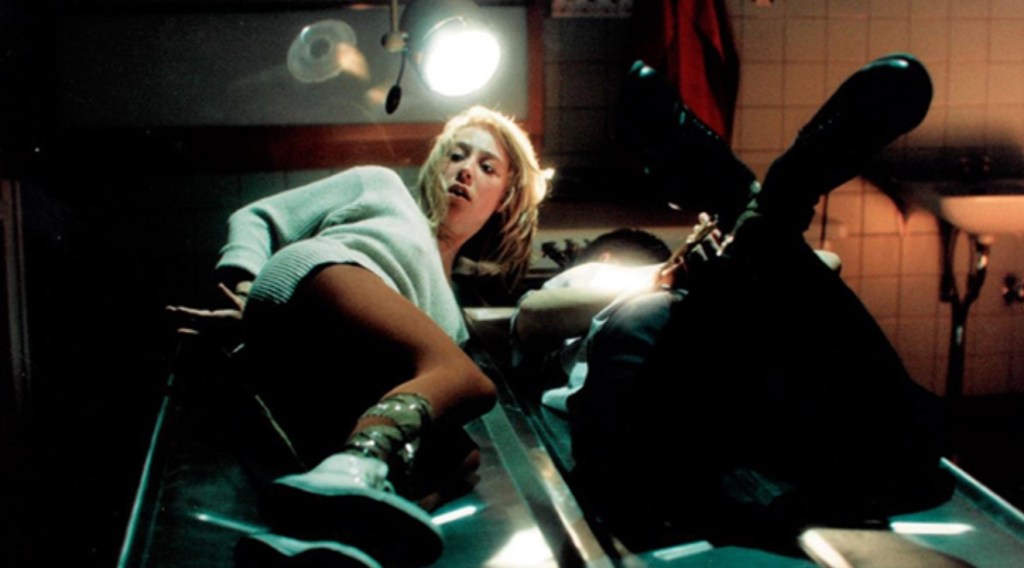
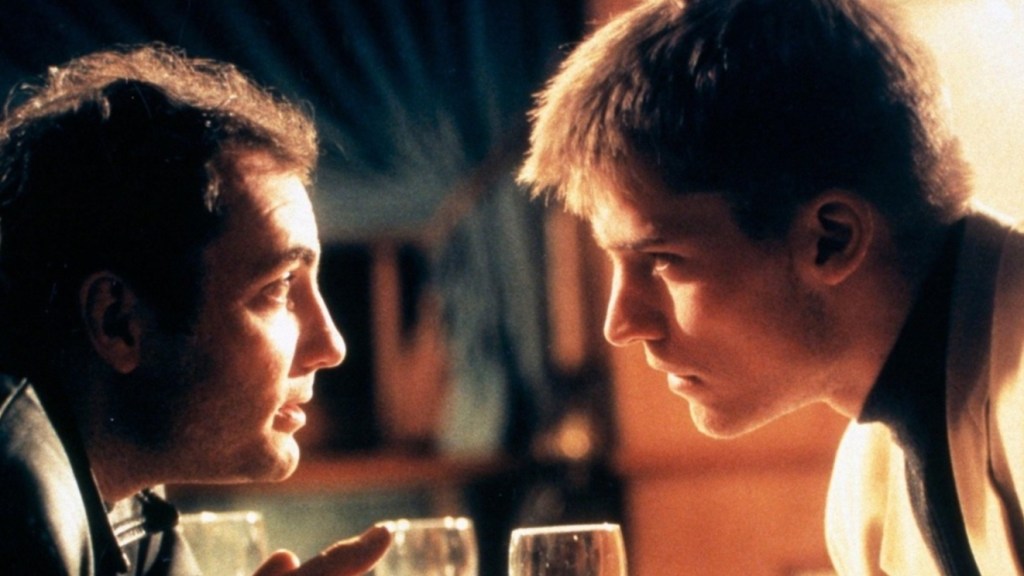
Also travelling parallel to the serial killer stuff is the thread that concerns Martin and Jens’ rather self destructive outlook on life and its here where the movie’s rather uncompromising, 90s outlook may grate a little uncomfortably up against the expectations of a modern audience. Simply put, the two are a couple of pricks, lashing out at others usually because of the disenfranchised outlook they have on the world in general. While Kim Bodnia’s Jens is mostly the innovator who doesn’t know (or want) to pump the breaks when his darkly cruel humor goes way too far, Coster-Walda’s Martin looks up to his friend like he’s some sort of guru when he’s actually a drunken, entitled brat. To American audiences, making your leads such unlikeable characters is frankly rather unpalatable, but here, their selfish reluctance to take responsibility of their own lives is what gives the serial killer lurking in the wings carte blanche to fuck up their lives. Although, the infamous sequence where Jens humiliates a teenage prostitute will probably make some question if these guys even deserve to have a happy ending.
Tying both the unfeasibly creepy Institute and the morally destitute stance of our leads together is the serial killer that provides the mystery element, and while these days the antagonist’s identity isn’t that hard to figure out (there’s barely a handful of suspects to choose from), the real hook of his existence is not to provide a Hitchcockian reveal – although we certainly get one – but to give Martin the harshest of lessons that maybe he should embrace life a little more before it all gets stripped away by the accusation that he’s the one who has been having his way with the resently dead.
Still, Bornedal certainly knows how to craft a memorable image and peppers them liberally throughout such as the sight of the long suffering Kalinka, hogtied and wriggling on her belly across broken glass, or Martin recoiling at the sight of one of the killer’s victims suddenly turning up slouched at the end of a corridor when it should be on the slab. As a result, we get a slick, macabre thriller that flirts with ghoulish horror and delivers on serving us a tremendously unsettling experience that demands to be rediscovered. The morgue, the merrier.
🌟🌟🌟🌟
 We Have Issues