
For those who solely know Wes Craven for his work on the Scream franchise, be warned, back in his days as a fledgling filmmaker, the director was responsible for some pretty hard hitting stuff and chief among these was his infamous debut, The Last House On The Left, a grizzly, grimy, rape/revenge picture that carried an extra amount of upsetting heft thanks to the inexperience of its crew.
However, while many other movies released in and around this time period went all out to shock, repulse or offend, there was something extra lurking under Last House’s murky surface that offered something of a counterpoint to all the misery and pain that’s given it something of a begrudgingly cult fandom that’s built up over the years.
What on earth is it that’s made this film endure when other examples of mean spirited exploitation has sunk beneath the bloody waves of ignominy?
Brace yourself, we’re about to make a deeply upsetting house call…

Mari Collingwood is celebrating her seventeenth birthday with her loving parents, Estelle and John, but even though they’re concerned that their daughter is heading out to see a band with her friend from the wrong side of the tracks, Phyllis, they still have faith that Mari is a responsible young woman. However, as the two head out, it seems obvious by the smuggled booze and frank talk about sex that Mari is all but ready to take hold of her newly earned “adulthood” with both hands.
Elsewhere, we are introduced to a “family” of violent criminals lead by the sneering, swaggering Krug Stillo an unrepentant serial killer who counts rape as a major hobby and who has just been broken out of jail by his cronies. With him is Weasel, a preening, egotistical child molester; Krug’s promiscuous and feral squeeze, Sadie and rounding out the gang is Junior, Krug’s spineless, sniveling son whose father has got him hooked on heroin in order to control him better. The second you meet this odious gang of perverts and psychos, you just know that they’re on a collision course with the virginal Mari and her more streetwise friend, Phyllis and after approaching Junior in order to score some Seed, the two girls find themselves caught in Krug’s web of murder and humiliation.
Over the next day, Mari and Phyllis are subjected to numerous unspeakable ordeals, but as Krug and company subject them to ever more degrading acts, Mari realizes that the gang have unknowingly brought them to the forest that’s only a stone’s throw from her house where her parents are fretting over their missing little girl. The police are less than useless and the girl’s fate seem all but certain, but due to a chance decision and the ego of Krug and his companions, vengence may soon be on the horizon.
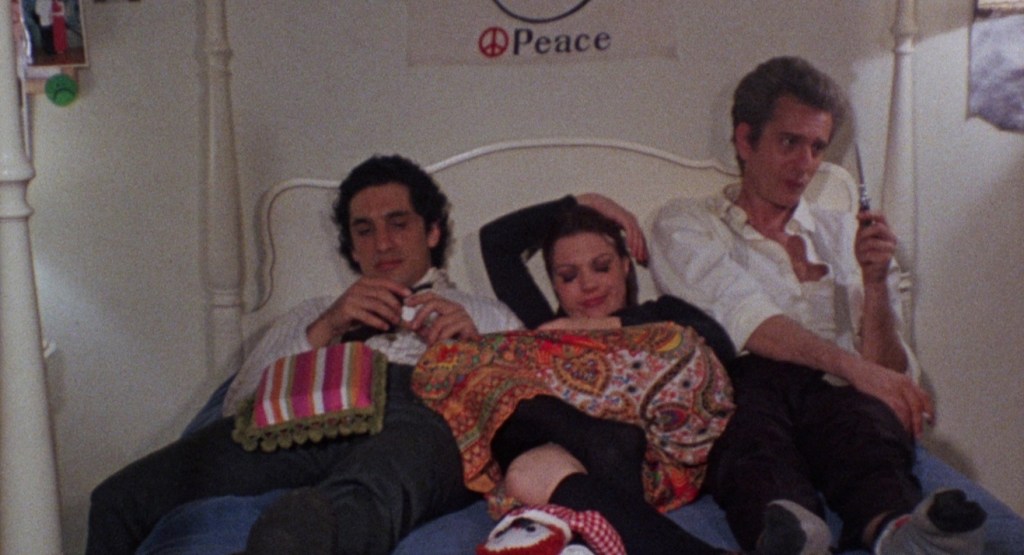
Around five years after Last House debuted, Craven essentially remade it in a highly altered form we know as The Hills Have Eyes; but while a lot of the themes and acts of sexual violence were still present (families from different classes at war; civilised people resorting to brutal means in order to get revenge), the fact that the villainous and depraved family in that film were an irradiated clan of animalistic mutants meant that there was just enough “fantasy” injected into this vicious film to make put it on the right side of palatable – just. However, The Last House On The Left has no such buffer to the real world whatsoever and as a result, the movie has always proven to be a tough watch even to this day.
While more modern fans of such movies may complain that the threadbare production values, community theatre acting and bizarre plot choices fills the impact, Craven’s obvious inexperience gives proceedings almost a documentary feel which makes things all the more upsetting. Also contributing to the awkward feel to the piece is that Craven deliberately makes aesthetic choices that seem counterintuitive to the images you are struggling to watch such as a soundtrack (provided by Krug actor David Hess himself) that couldn’t be more peace and love if it sported sideburns and drove a beat up van with cartoon flowers emblazoned on the side. But while the movie callous baits you while playing soft ballards during scenes of sexual assault, it also winds you up even further by cutting away from all the degradation to throw in some misplaced, goofy, slapstick as the local police chief and his bumbling deputy struggle to get their shit together while young girls are dying.

Of course, any sane human being would watch this and angrily question why on earth they’re spending the time watching such nihilistic cruelty – but then that’s precisely what Craven wants you to think. Essentially an angry rebuff to any film that showed death as being clean and concise after the world watched footage of the repellent carnage of the Vietnam war, Craven and producer Sean S. Cunningham (who later went on to direct Friday The 13th) wanted to deliver a film where the violence was nauseating real and couldn’t be sanitized or explained away with easy excuses, thus the filmmakers infused their movie with moments that were supposed to enrage and offend its viewers about the events they’re seeing in screen.
So did Craven succeed in his political aims? Well, partly. Simply put, no matter which way you slice it, Last House is a movie that deliberately lingers on the humiliation and pain of women and the fact that it’s intended to be virtually unwatchable and triggering just isn’t a viable excuse to some audiences. There’s also a feeling that in his youthful exuberance to make a political point, Craven inadvertently delivered a movie that muddies it’s own view by beating its audience over the head with the exact same thing exploitation audiences would flock to see and while he takes great pains to avoid glamorising the most sordid parts of the film, his rather dated efforts may have backfired in a couple of places when viewed with modern eyes.
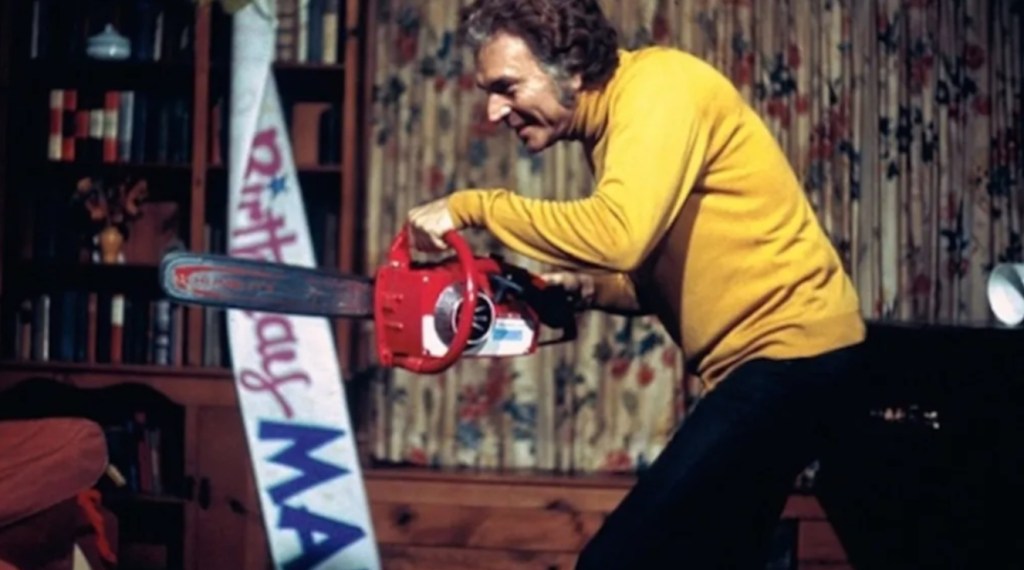
That’s not to say that there isn’t a sense of artistry here – because if there wasn’t, the movie probably would have been forgotten long ago – and Craven’s imperfectly formed primal scream does tend to sit at the cross roads between the politics of George Romero’s Night Of The Living Dead and Tobe Hooper’s Texas Chain Saw Massacre in its attempts to bring a sense of contemporary urgency to modern horror. In fact, as a loose retelling of of Ingmar Bergman’s The Virgin Spring, the director attempts to ground things as much as possible – well, as much as you can ground things when the dopey deputy is played by Cobra Kai’s Martin Kove. While the two girls are undoubtedly victims, there’s a sense of poignancy as Phyllis constantly tries to sacrifice herself in order to spare the younger Mari from the worst of it and even the killers themselves look dazed and despondent in the aftermath of their atrocities. However, Craven is adamant that his debut comes with no easy answers and after Mari’s parents take their revenge with a vicious bout of throat slashing, chainsawing and penis biting, there is a feeling that nothing has been resolved as the dead are still dead and the world continues to stubbonly refuse to make sense. Hate it if you must, but Last House still packs a clumsy wallop after all these years.
Quite the debut from the man who gave us Vampire In Brooklyn…
🌟🌟🌟🌟
 We Have Issues