


For as long as humans have been able to tell stories, we’ve regaled each other with tale of duplicitous acts and crimes of passion, where there’s a corruptable man, it seems, there’s a female corrupting influence just waiting to pounce – just ask Adam and Eve. But biblical jokes aside, it seems we just can’t get enough of the sordid things a person will do to get their end away and a couple of extra dollars into the bargin and undoubtedly the greatest place to seek them out is within the shady backstreets of Film Noir.
Located here within the most distrustful of genres, where shifty schemes and femme fatales lurk within every alleyway, one of the undisputed creams of the crop is Double Indemnity, a twisty crime caper directed by Billy Wilder and co-written between him and Raymond Chandler. While the mind fizzes at what a union of the two could concoct (the potential for the dialogue alone is fucking mouthwatering), what’s even more gratifying is that the finished film is not only as good as you’d hope, it’s easily one of the leading lights of classic Noir.
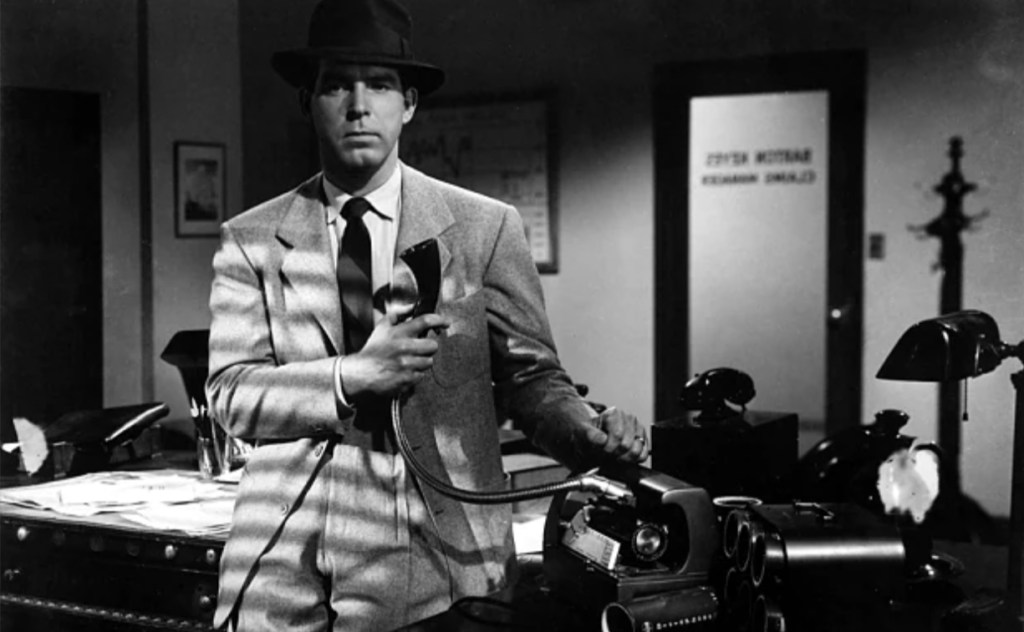
Insurance salesman Walter Neff stumbles into his empty, LA offices, undercover of darkness as sweat streams down his brow and blood trickles out of the bullet wound in his shoulder. As he collapses into a chair in the office of his colleague, claims manager Barton Keyes, he grabs a nearby dictaphone and starts spilling his guts about the events that has consumed his life for the past year.
Turning back the clock twelve months, Neff makes a fateful house call to sell some insurance to the home of Phyllis Dietrichson only for the sultry blonde to trade steamy banter with him before enquiring about taking out a life insurance policy on her husband without him knowing about it. Figuring out that the disgruntled housewife has some sinister plans for her neglectful husband, Neff initially rebuffs her advances only to find himself obsessing about the cool blonde. Not only has he fallen for her hard and the lure of money has proven too much to resist, but he find himself eager to pit his knowledge about the business to the test by trying to plan a perfect crime.
However, before Neff and Phyllis can run off into the sunset with a hefty sum of money, they’ll have a number of hurdles to clear first. There’s the murder of Mr. Dietrichson of course, that’s going to be all the more complex as it’s going to have to occur aboard a train (it pays out more, you see); but beyond that, Neff will also have to harden his conscience against the fact that Dietrichson’s daughter from a previous marriage, Lola, has taken something of a shine to him. However, the greatest test will be mounting a crime that’s so air tight, not even the quick mind of Baton Keyes can puncture it’s skin. However, the one thing that may ultimately blindside Neff is Phyllis herself, who may actually not be as enamoured of him as he first thought – after all, Hell hath no fury for a woman desperate for a shitload of moolah.
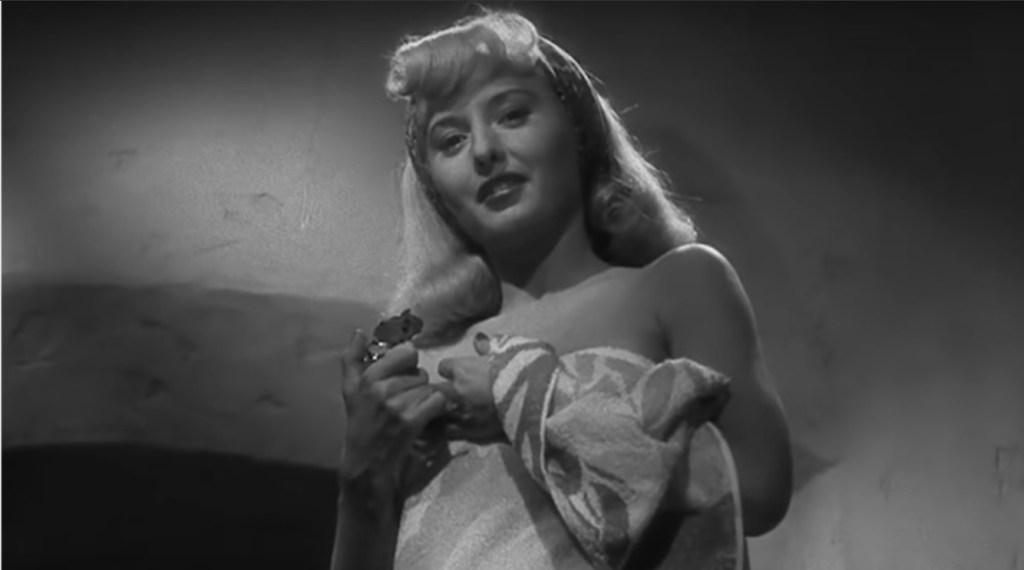
There’s an old saying that they just don’t make them like this anymore and with Double Indemnity, it proves to be especially true. Made in a time where even the editorial and cinematography gymnastics of Alfred Hitchcock had fully matured, Billy Wilder’s intense thriller is a talky affair, made all the more melodramatic by the zippy line readings that – to quote Grampa Simpson – was the style at the time. Everyone moves from apartments, offices and plush mansions dressed in snappy attire to have conversations and yet more conversations as a moral-free, criminal chess game is attempted by people who take full advantage of the fact that their opponents don’t even know they’re playing. For those unfamiliar with the 40s style of filmmaking, this all could sound like a terrible bore, but in the hands of master wordsmith Wilder, we get a pressure cooker of a thriller that excels because it’s packing something with far more entertaining stopping power than a car chase or blazing gun battles – rock solid storytelling.
That’s right, the sordid tale of Fred MacMurray’s bewitched insurance salesman hatching a plan to off the husband of Barbara Stanwyck’s golden haired temptress is delivered mostly with dialogue that positively crackles as flirtations and sass are served back and forth like a rapid fire tennis game. In fact, the only correct way to fire back a witty, Billy Wilder retort is to utter it as quickly and as glibly as possible in order to get that right amount of sizzle right off the back swing and his two leads do it so well, the conversations feel just as action packed then any kind of physical exertion could. While I have to say that MacMurray struggles to look anywhere near the age range that his character is supposed to be (althougg even people who actually were in their thirties in the 40s strain to look convincingly under 45), you utterly buy that his libido and ego have united to steer him into wanting to commit cold-bloodied murder thanks to the lure of Stanwyck’s plotting gold digger.
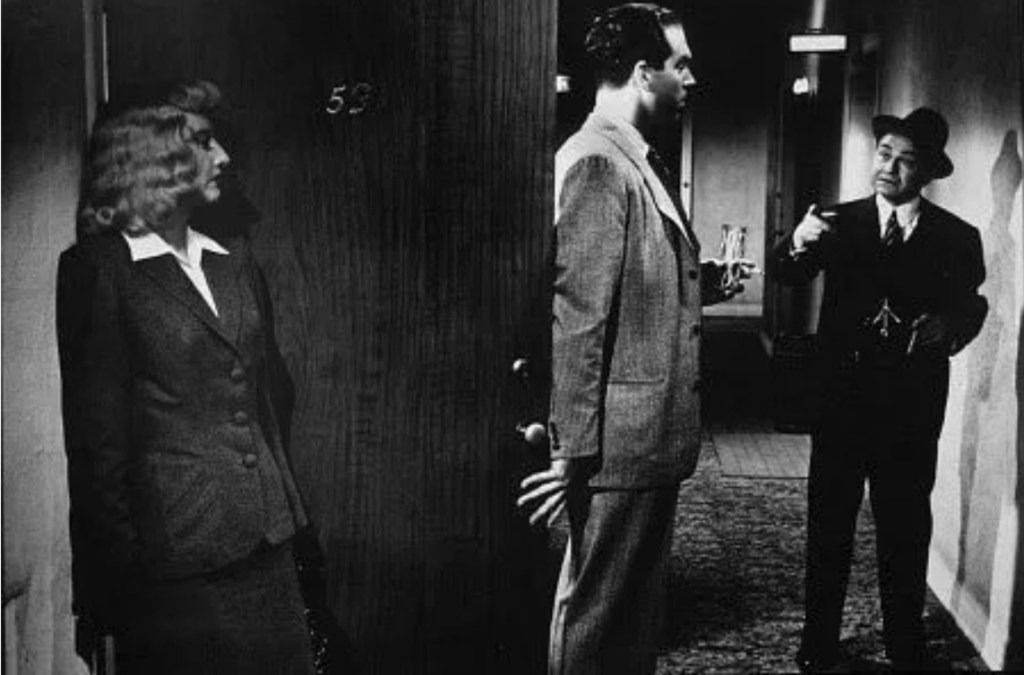
Helping muddy those already murky water even further is the supporting cast who turn in great work. However, while Jean Heather and Richard Gaines are memorable as a wide-eyed daughter and the amusingly cold-blooded insurance boss who will not accept that anything was an accident (insurance firms were brutal back then), almost stealing the movie wholesale is Edward G. Robinson’s moral centre, Keyes. Endlessly puffing on cheap cigars and complaining about the “little man” in his chest that keeps giving him gastric distress every time his gut feeling sends out an alarm that’s something isn’t kosher, he’s absolutely fascinating to watch as he burrows deeper and deeper into Phyllis Dietrichson’s bogus insurance claim like a evidence seeking missile.
There’s more typical noir/thriller stuff at hand here, of course. The carrying out of the crime itself proves to be a fittingly tense affair and your breath legitimately catches every moment the plan looks like its going to go all Pete tong – be it a stalling car engine or Stanwyck hiding behind a door to avoid being noticed by a typically fussy Robinson. And yet, while the chemistry is off the scale and you’re almost hoping that the corrupted couple get away with it, Wilder also infuses matters with a sense of tragedy as we slowly shake our head over the things horny and greedy people do when money’s involved. In fact the final scenes where Neff desperately tries for some last minute redemption are genuinely sad as he realises that no amount of damage control can stop the hole he and Phyllis have dug for themselves.
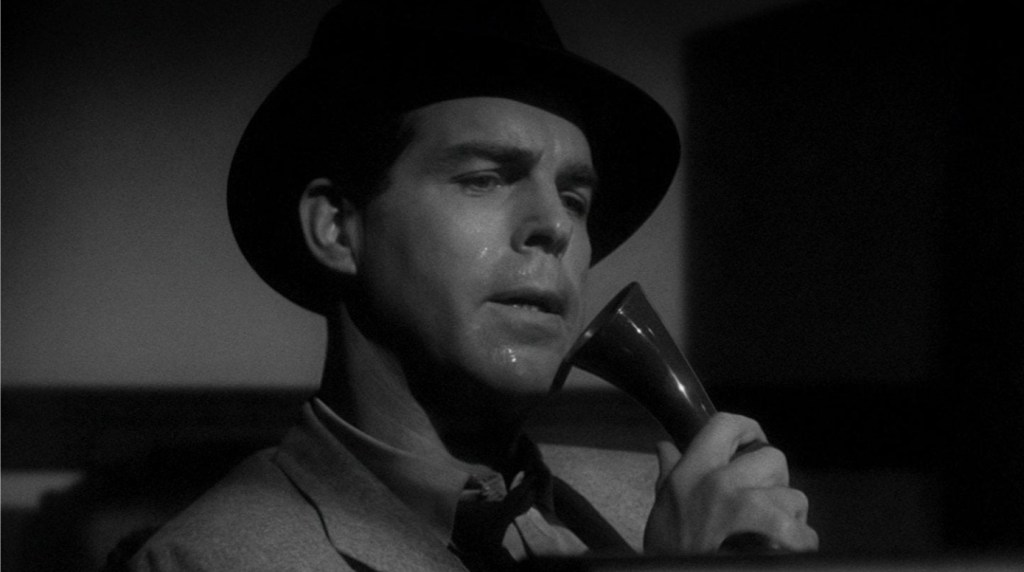
A gripping, unmitigated classic from beginning to end, Double Indemnity could quite possibly be the quintessential noir movie of the decade, and that’s saying a mouthful. Between dialogue so snappy it could pass as an alligator and a sense of morbid tension that demands you see this crime through to the bitter finale, Billy Wilder’s masterpiece revels in proving that no bad deed goes unpunished.
🌟🌟🌟🌟🌟

 We Have Issues
If I could vote for the most particularly unforgettable film noir classic of all time, it would be Double Indemnity. Especially thanks to one of Edward G. Robinson’s most timeless performances. Thanks for your review.
LikeLiked by 1 person