
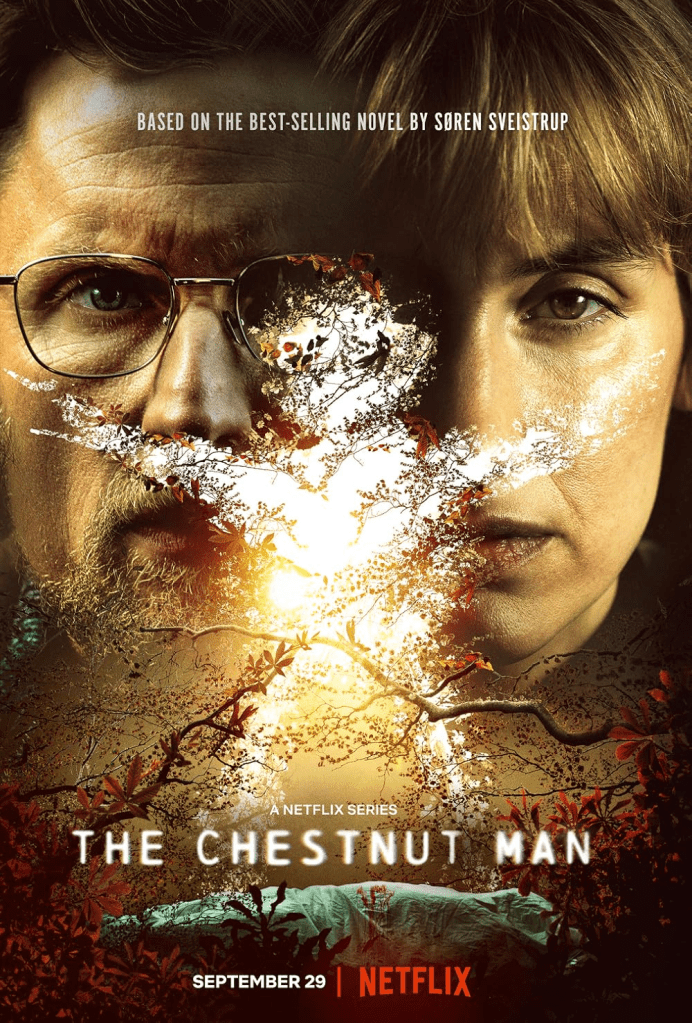

Episode 3 ramps up the tension in this gripping Nordic noir thriller, delivering a perfect blend of gritty investigation, emotional depth, and chilling suspense that pulls you in. As the investigation into the chestnut man murders intensifies, the episode skillfully weaves together multiple threads, making it one of the strongest installments so far in the series.
The episode opens with the rawness that personal toll the case is taking on everyone involved. Steen Hartung, still shattered by the disappearance of his daughter Kristine, dives back into his own investigation with obsessive determination. He pins up old newspaper clippings and maps at home, convinced that she might still be alive despite the official closure of the case. His wife Rosa, a prominent politician returning to work amid her own grief, pleads with him to let it go for the sake of their surviving son Markus. The performances here are heartbreakingly authentic; Esben Dalgaard Andersen brings a quiet desperation to Steen, while Iben Dorner as Rosa captures the delicate balance of professional duty and private anguish. Their scenes are the human backbone to the show, with the reminder that these aren’t just victims on a board.
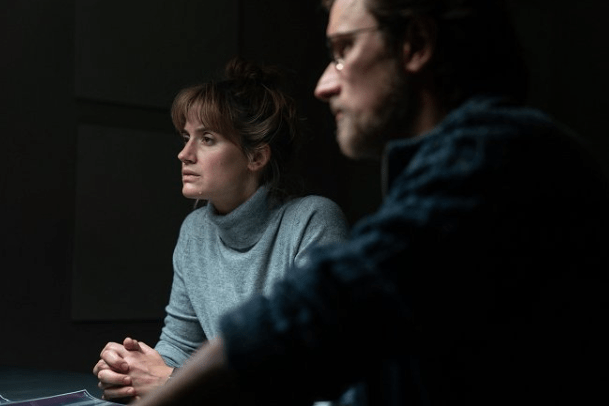
Meanwhile, detectives Naia Thulin and Mark Hess are recovering from the previous episodes cliffhanger. The discovery in Hans Henrik Hauge’s hidden basement compartment is particularly disturbing: videos revealing exploitation involving young Magnus. This revelation shifts the investigation into darker territory, exposing layers of abuse and hidden secrets within seemingly ordinary families. Danica Ćurčić continues to shine as Thulin, portraying her as a sharp, ambitious single mother juggling a high-stakes career with personal responsibilities. Her chemistry with Mikkel Boe Følsgaard’s Hess is growing, they started as reluctant partners but show respect as they start to understand each other and begin to piece together the mystery Hess is more unorthodox with Europol experience, which provides a contrast to Thulin’s more by-the-book approach, creating a professional friction between the two world-weary detectives
There is a breakthrough in the case when Thulin and Hess confronting Erik Sejer-Lassen about evidence of abuse toward his daughters. The scene is uncomfortable, as the detectives navigate the suspect’s denials and the moral weight of their accusations. It highlights how the killer seems to target “bad parents,” with anonymous reports linking both the first victim, Laura Kjær, and now the Sejer-Lassen family. This pattern elevates the stakes, turning the hunt into a race against time before the killer strikes again. Paranoia is building: who will be next, and how does the chestnut man figurine tie into these family secrets? The dolls themselves remain a brilliantly eerie motif, simple children’s crafts twisted into symbols of terror.

Thulin’s guilt over leaving her daughter Le with her grandfather for extended periods adds relatable emotional texture, grounding her amid hunt and the gore. Hess, too, reveals glimpses of his own burdens when talking to Le, where he finds it easier to open up to the daughter rather than the mother. Thulin overhears the conversation about his dead wife which gives her a better understanding of her new partner.
Thulin and Hess hatch a plan to lure the killer by using their emerging lead on a potential target. This sequence is taut and pulse-pounding, blending investigative smarts with genuine thriller elements. Without spoiling key details, the tension builds through clever misdirection and close calls that leave you guessing. The episode ends on a note that propels the overarching mystery forward raising haunting questions about fingerprints, past traumas, and hidden motives.
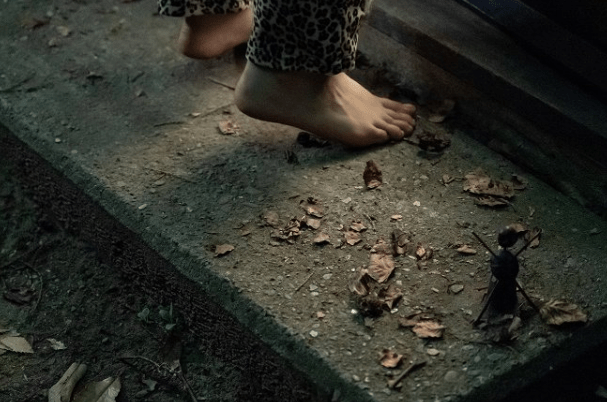
The chestnut men aren’t just props; they’re a clever narrative device that subverts something innocent into something profoundly sinister. The series’ exploration of parental failure, grief, and societal judgment avoids easy answers or moralizing. Supporting characters, like the forensics team and police superiors, add detail without overwhelming the core duo. If there’s one minor quibble, it’s that some of the personal subplots occasionally slow the momentum just a touch, though they ultimately enrich the story. The violence remains graphic but purposeful, never gratuitous, often slightly out of frame or focus, serving to underscore the brutality of the crimes rather than shock for its own sake.
The Chestnut Man is building on the foundation laid in the first two episodes, deepening the mystery while delivering strong character work and suspenseful set pieces. The performances are uniformly excellent, the writing sharp, and the direction immersive. This isn’t just a whodunit, but why, and how deep the rot goes.
🌟🌟🌟🌟

 We Have Issues