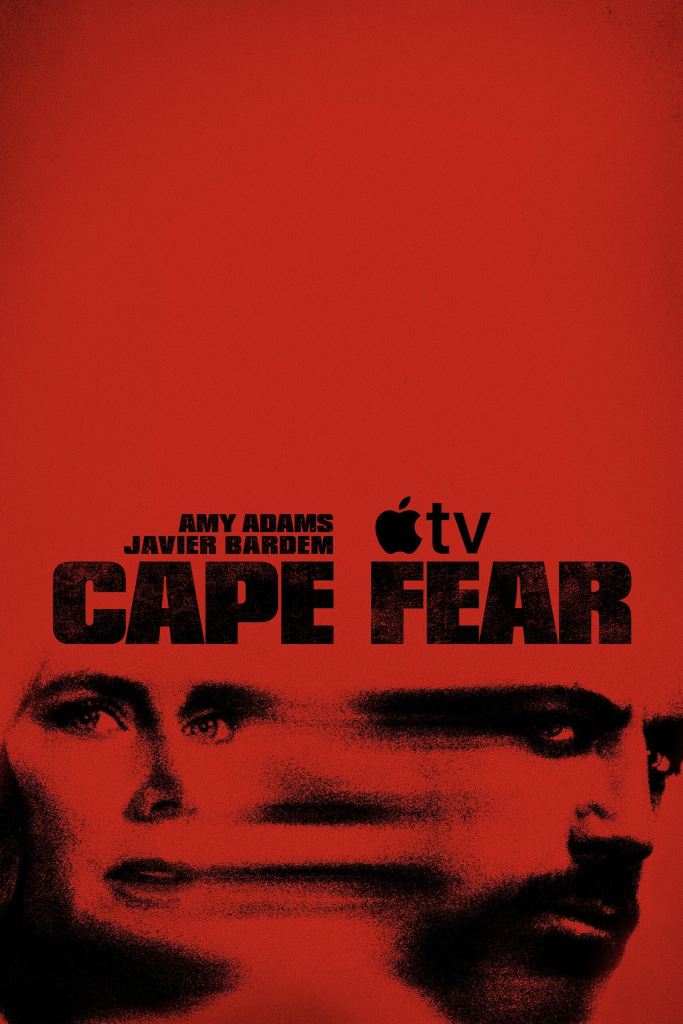

Cape Fear continues to deliver a masterclass in slow-burn psychological tension on. The third episode deepens the unease within the Bowden family while expanding the mysterious web surrounding Max Cady. The blending of domestic drama with creeping dread in ways that honour the story’s cinematic history while carving out its own identity in the prestige thriller space.
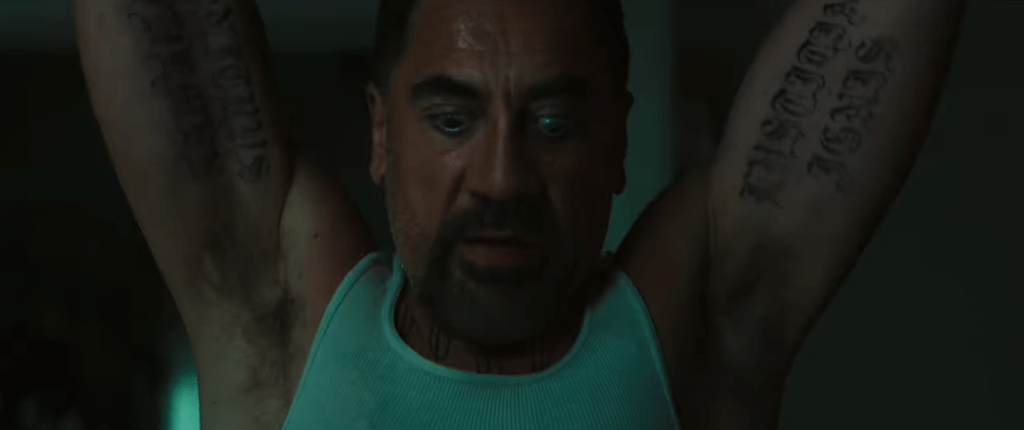
Javier Bardem remains the undeniable highlight as Max Cady. His performance is a study in controlled menace – charismatic yet deeply unsettling. In Episode 3, he navigates the legal system with calculated patience, securing a substantial settlement from a private prison company. Bardem brings a physicality and vocal gravitas that make every scene feel uneasy. Whether he’s casually slicing a tomato in the Bowdens’ kitchen or sharing a tense drink with Amy Adams’ Anna, you can feel the weight of his history and the precision of his revenge plot. He’s not just a brute; he’s tech-savvy, manipulative, and eerily attuned to the family’s vulnerabilities in this modern update. The series is also playing the trick of making us question Max’s guilt. Bardem elevates what could have been a straightforward villain into something far more complex and watchable.
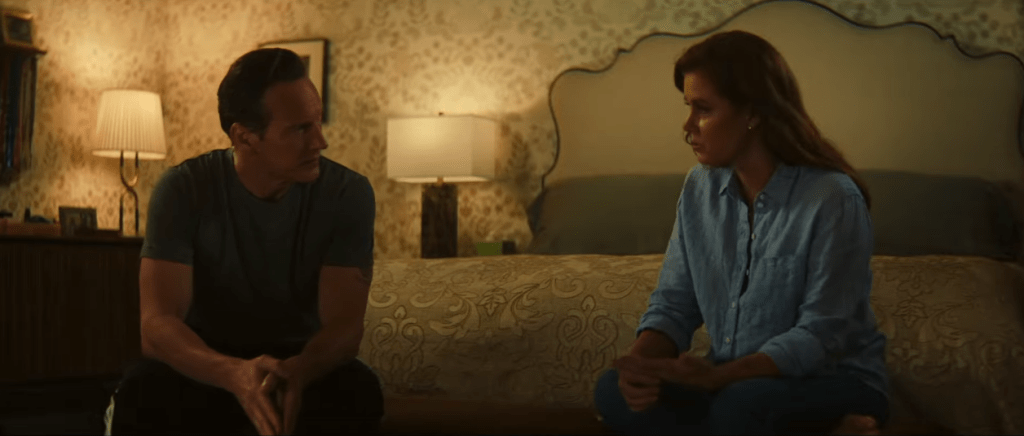
Amy Adams matches Bardem as Anna Bowden, the attorney whose past decisions with Cady now haunt her family. Anna takes proactive steps—mirroring her son Zack’s phone, confronting a suspicious contact, and even accompanying Cady on a road trip to Atlanta. Adams portrays her with a compelling mix of steely determination and underlying fragility. You sense her marriage to Patrick Wilson’s Tom fraying under the pressure, and her scenes balancing professional ambition with maternal protectiveness add real emotional stakes. Wilson’s Tom, meanwhile, grapples with his own demons, including substance use and temptation from a colleague (Margarita Levieva as Lexi). Their strained interactions, including a notably dispassionate intimate scene shot in negative, echo the 1991 film’s style and marital tensions while feeling fresh and raw in 2026.
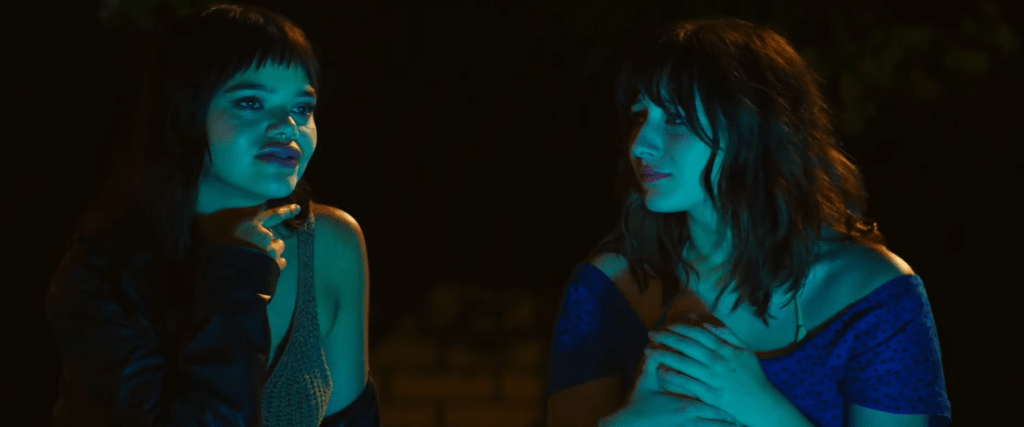
The younger Bowdens get more development here too. Lily Collias as Natalie navigates teenage awakening with vulnerability and defiance, especially during a pool party sequence that turns from awkward harassment to unexpected connection. Joe Anders’ Zack remains a sullen, troubled presence, his mysterious toe injury from the first episode lingering as a “phantom sensation” that underscores the episode’s title and the family’s growing paranoia. This grounding of the family unit make the threat from Cady feel more intimate and devastating.
One of the episode’s boldest moves is its engagement with the franchise’s own history. Max Cady returns to his isolated space and discovers an envelope marked “Hi Max” with a heart drawn on it, alongside a television and a note instructing him to “Play me.” When he does, a masked woman, who was glimpsed in the first two episodes, appears on screen. She slowly removes the hood and mask to reveal none other than Juliette Lewis. In a seductive, intimate tone, she greets him (“Hey Max, I heard you got out”) before picking up a microphone and singing him a haunting song that drips with obsession.
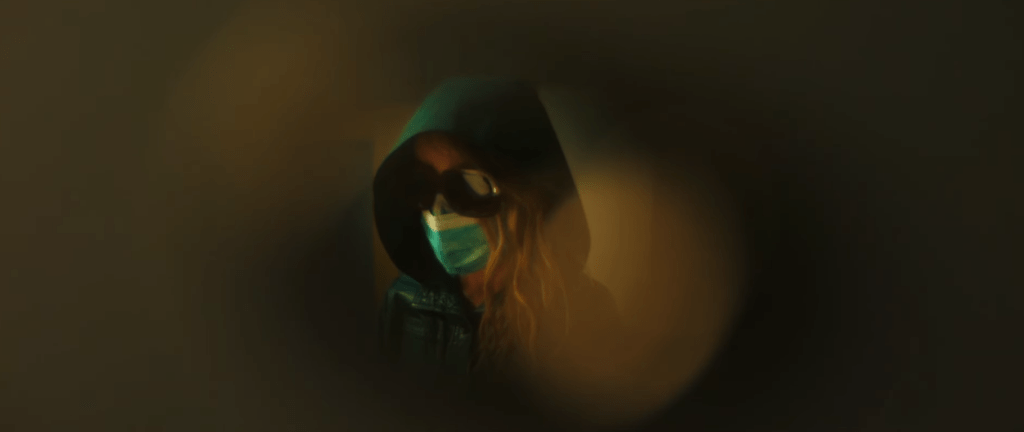
This cameo brilliantly connects to Martin Scorsese’s 1991 Cape Fear. In that film, a very young Juliette Lewis delivered a breakout, Oscar-nominated performance as Danielle Bowden, the teenage daughter terrorized by Robert De Niro’s Max Cady. By bringing Lewis back in this new series as a mysterious woman from this Cady’s past—one who seems to share a deeply obsessive, almost romantic link with him—the show creates a clever meta bridge between versions of the story. It treats the 1991 movie as a echo, adding layers of cyclical trauma, fixation, and legacy. The moment honours the earlier film’s cinematic power, in the same way Scorsese used the original film’s cast in his film, while raising intriguing new questions about Cady’s history and the nature of the threats swirling around him. It lands with genuine shock value and reframes everything that came before it, opening rich possibilities for the rest of the season.
Visually and atmospherically, the episode excels. The cinematography captures the humid, oppressive feel of Savannah and beyond, with stormy weather mirroring the characters’ inner turmoil. Ominous drones, blurry security footage, and interactions through screens highlight themes of surveillance and unreliable perception in our digital age. The shows sleazy, pulpy tone also makes questionable plot points work like when Anna chooses to share a motel with the man she suspects of terrorizing her family.
Max’s use of technology for catfishing and infiltration feels very now, contrasting the more analogue threats of earlier versions. It raises timely questions about privacy, online manipulation, and how past sins resurface in a hyper-connected world. The Bowdens aren’t perfect protagonists; their secrets and flaws make them relatable and their peril more compelling. This moral ambiguity elevates the material beyond simple cat-and-mouse thriller fare. We are yet to see Max do something truly evil, could the series be flipping everything and there is a greater conspiracy at play?
Phantom Sensations solidifies Cape Fear as another success for Apple TV. It respects its source while innovating enough for you the question what is really going on. Bardem’s commanding performance makes it essential viewing as the show unsettles and entertains in equal measures.
🌟🌟🌟🌟

 We Have Issues