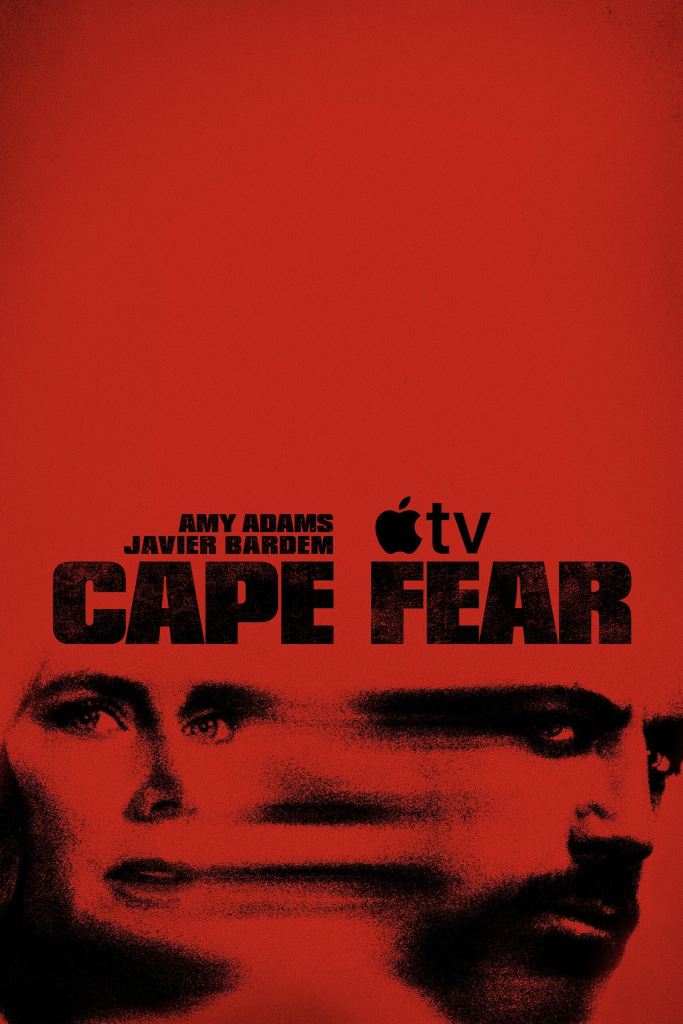

The season finale of Apple TV’s Cape Fear, titled The Executioners after the original novel, arrives as the inevitable collision of everything the series has been building toward for nine prior episodes. What should have been a taut, catastrophic reckoning instead feels like a series of loud, disconnected set pieces strung together by momentum and convenience. After weeks of escalating psychological torment, family secrets, and borderline operatic chaos, the closing chapter prioritises spectacle and last-minute reveals over coherent emotional payoff or satisfying resolution.

From the get go, the episode goes for shock rather than cranking up the tension. Max Cady arrives at Crystal’s houseboat to find that Anna has already slipped away into the river under cover of darkness. His response is immediate and brutal: he shoots Crystal and the boy Luke, locks his father in a cage, douses the vessel in gasoline, and sets it ablaze. The show has been taking some big swings and off the bat they make it clear this isn’t going to have the same ending as the two films. But it all comes at the expense of the considerable time spent establishing the twisted dynamics of the Cady family, with these relationships are largely incinerated in a matter of minutes. The impact of Max destroying the last remnants of his own bloodline is undercut by this just being the pre-credit sequence of the episode.
Anna’s escape and subsequent counter-attack on Max sets up the finale, and here is where it all starts to fall apart. She manages to retrieve recordings and interrupt Max’s plans at the opening of his restaurant named after his dead wife and son by playing the incriminating audio. Everything just feels way to easy considering everything that they have gone through. The later home invasion, in which Max subdues the Bowden family with zip ties, a syringe, a razor, and Tom’s own shotgun before staging a mock trial, aims for the nightmarish intensity of the source material’s most famous sequences but relocating to there house during the storm rather than the houseboat removes a major part of the peril. Instead everything just feels a bit messy. The “trial” just confirms all the information we already know and the physical danger has reached a point where you realise all the family are safe. The characters are now just going through the motions, making choices that serve the plot’s need for confrontation rather than follow any logic.
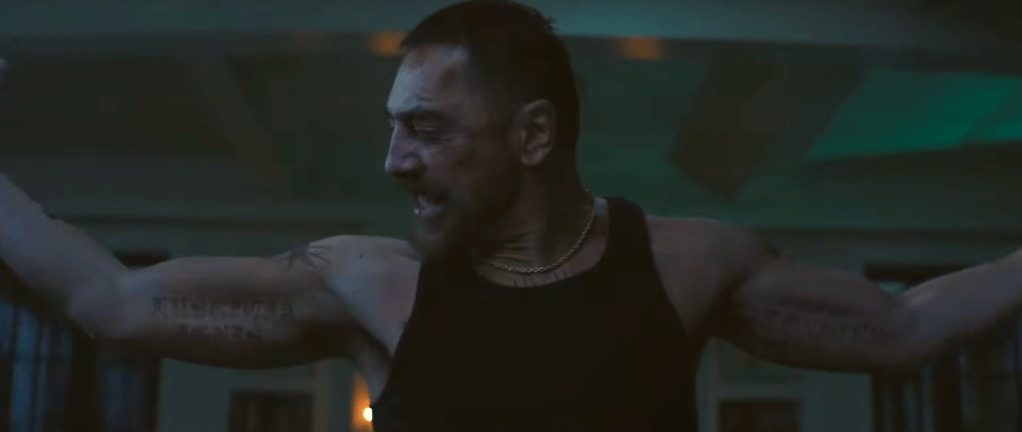
The revelation about Luke’s true parentage arrives late and feels that it’s just there for shock value. Crystal, infertile after an accident, had cut the child from Max’s dying wife Melissa and raised him as her own. Max, having just burned the boy alive along with the rest of his family, is forced to confront the fact that he destroyed his own son. This should have been a darkly ironic twist that breaks Max, instead it feels nearly throw away. The information is delivered as a “gotcha” moment and comes virtually out of the blue.
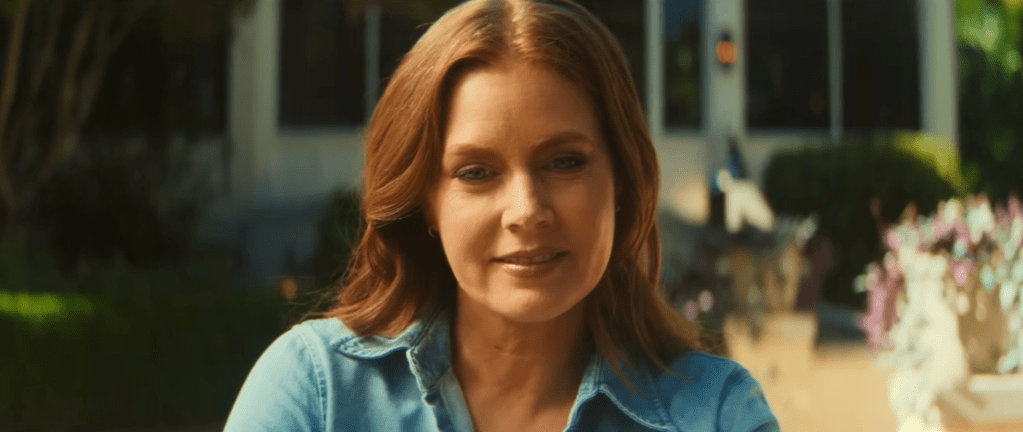
Performances remain the strongest element with Javier Bardem continuing to commit fully to Max Cady’s volatile mix of charisma, religiosity, and sadism. His physicality with the seizures, the sudden shifts from calm to rage, still thrill. Amy Adams brings a brittle intensity to Anna that suggests a woman holding herself together through sheer will after months of psychological siege.
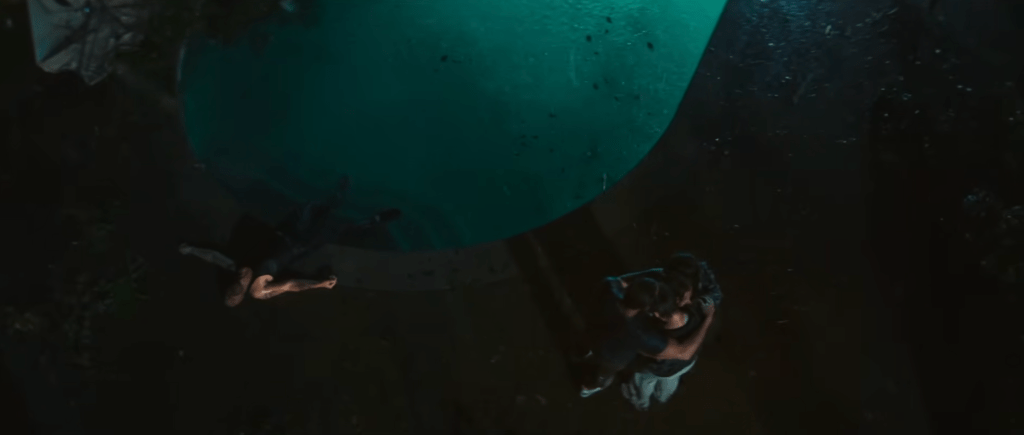
It feels like they try and do too much in the finale, with fire, rain, wind, a restaurant confrontation, a home invasion, a trial, and multiple deaths when it could have been spread out through out the series. Scenes that might have benefited from lingering atmosphere seem rushed to move onto the next. The houseboat sequence could have been a whole episode but goes by in a blink. The final confrontation at the Bowden home piles on restraints, drugs, and weaponry without building the kind of claustrophobic suspense that defined the best earlier episodes. By the time Max is subdued and the family is attempting a return to normality that mirrors the start of the season, the ending seems sudden.
The decision to leave certain threads dangling is particularly frustrating. After investing an entire season in the idea that Max Cady is a force of nature who weaponises the law and human weakness, the finale allows him to be contained through relatively conventional means, only to undercut that containment with suggestions that the story is not truly finished. The final images of domestic tentative calm are undercut by Anna’s visible anxiety, a choice that reads less as psychological realism and more as insurance against the possibility of continuation. A limited series that promised a complete arc instead ends by hedging its bets. The title itself, drawn from John D. MacDonald’s original novel, raises expectations of a definitive confrontation between predator and prey. Where the series had been seeing how far it could push things, in the end it takes the political correct route rather than go for the throat.
In the end, The Executioners exposes the costs of the season’s earlier choices. Prolonged detours into secondary characters and side plots left the central conflict underdeveloped in places that mattered. When the finale finally focuses on the main players, it has too much ground to cover and too little time to do so with care. Strong individual performances and occasional striking images cannot overcome the sense that the story has outrun its own logic. What began as a promising expansion of a classic thriller finally ran out of steam.
🌟🌟

 We Have Issues