
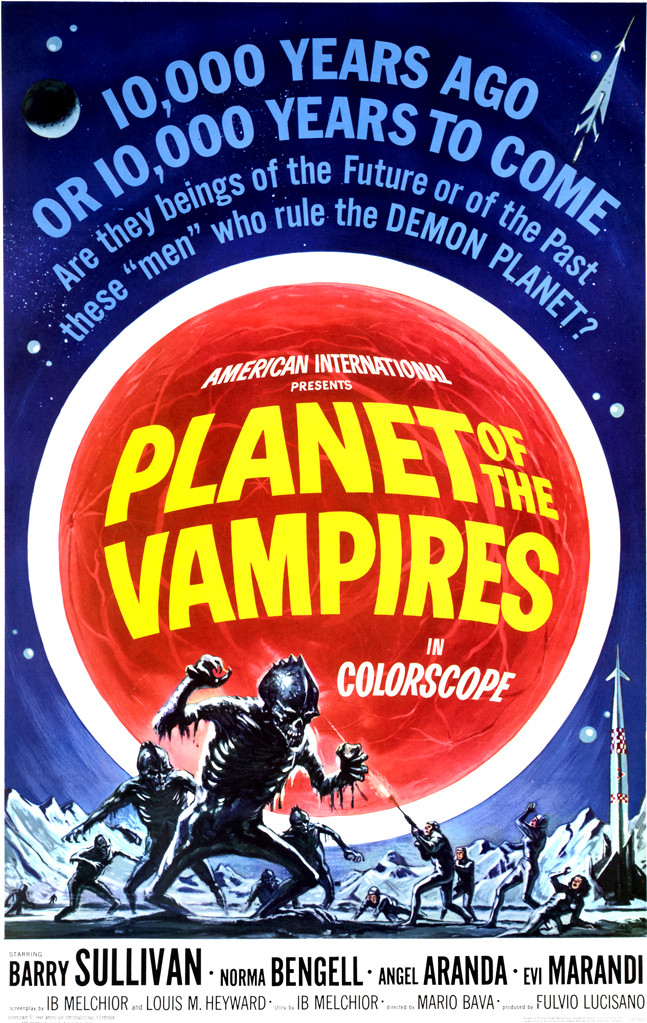
With movies such as Blood And Black Lace and A Bay Of Blood, visually extravagant director Mario Bava is rightfully credited for helping sow the seeds of what eventually grew into the Giallo and Slasher genres. However, what you may not know is that is sphere of influence reaches far further than you previously thought – in fact it reaches so far, it touches that realm where no one can hear you scream: space.
While the title of 1965’s Planet Of The Vampires is somewhat of a misnomer (it’s based on a short story called One Night Of 21 Hours and contains no actual vampires), to sit down and watch it brings about distinct waves of deja vu as vast patches of this sumptuous sci-fi frightener seem awfully familiar.
So slip into your black, rubber space suit (might need some talc, there), switch on the Meteor Rejector and prepare to be stunned atvs movie that pre-dates some of the most famous sci-fi/horrors ever made.
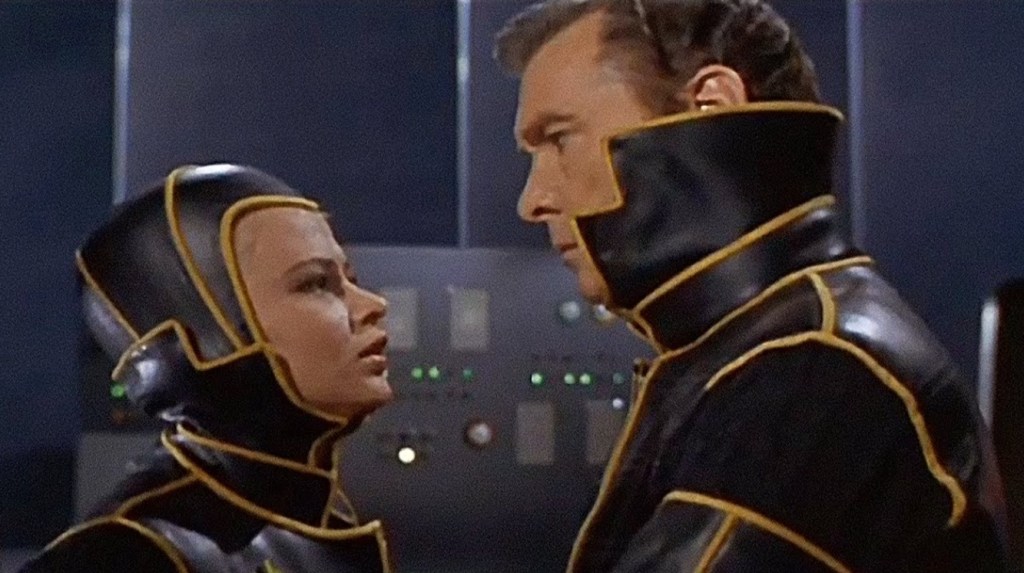
As the massive star ships the Argos and the Galiott pass the unexplored planet Aura, they receive a distress signal pulsing from the surface of the inhospitable looking world. Doing the decent thing, both ships attempt to land on its craggy surface, but as the Argos enters the atmosphere, the crew are suddenly struck with a strong urge to kill each other and violent fights break out all over the ship. The only man to be able to resist this wave of madness is the stoic Captain Markary who snaps his crew out of their frenzied trance by ironically slapping them about a bit and who then manages to get the Argos to land safely despite the ship incurring some noticable damage.
Gathering up his shaken crewmates, Markary leads them onto the surface of Aura to seek out the Galiott, but while they’re successful at locating their sister ship, the malady that affected them caused the other crew, including Markary’s brother, to murder each other in a mysterious rage. After burying the other crew, Markery, the large-haired Sanya, the even larger haired Tiona, the worried Dr. Karan and the others wonder what to do next as repairs to the Argos will take days, but their question is answered for them when their buried comrades rise from the dead and start stalking them across the misty, unnerving landscape, picking them off one at a time.
A further search of the surrounding area uncovered a long-dead race of aliens who seemingly succumbed to the same traumatic events that the crew of the Argos is trying to fight off, which only adds fuel to the already burning question: what in the name of Dan O’ Bannon is going on here?
The truth turns out to be every bit as disconcerting and world-threatening as you’d expect.
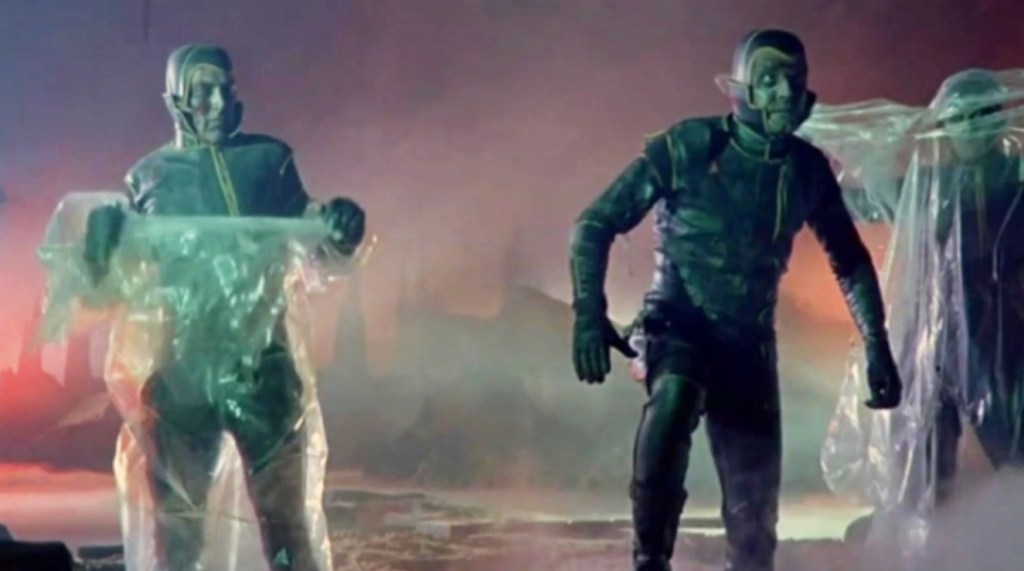
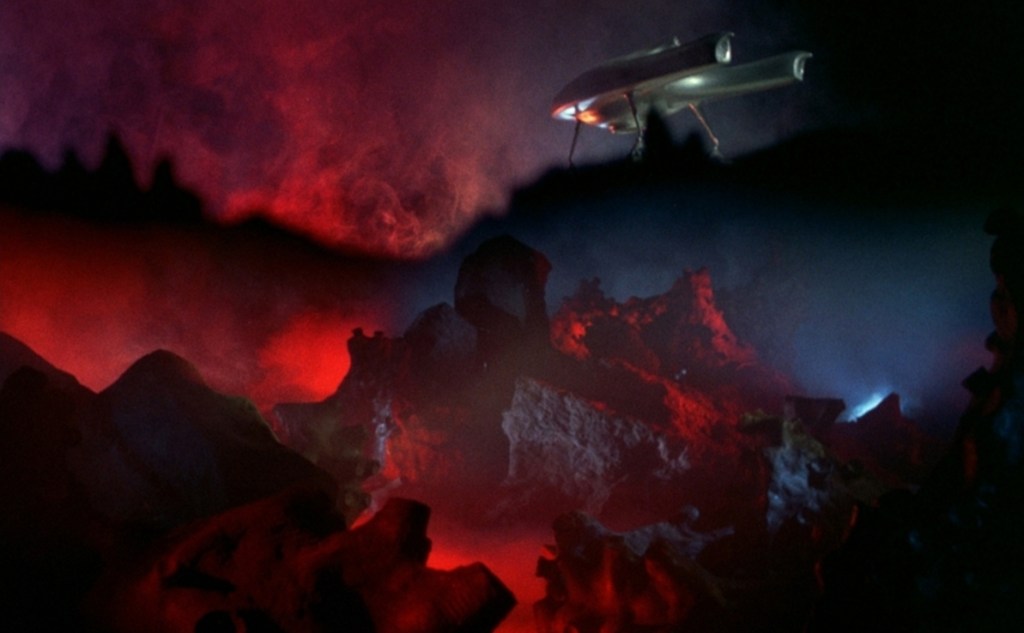
So, let’s not beat around the bush any further – be it through sheer coincidence (unlikely) or because there’s some major homaging going on here, but Mario Bava’s Planet Of The Vampires shares so much DNA with Ridley Scott’s Alien, the two movies could be fucking brothers. Truly, the similarities are astounding with the plot kicked of by a space ship heaving with potential victims clumsily landing on a primordial planet in order to check up on a random transmission. Once there they eventually locate an alien ship containing fossilized remains that eerily gives them a preview of their fate and the tension and fear mounts as their number gradually fall before an unknowable foe. Now, this wouldn’t be as noticable in general as a lot of movies share similar plot devices, however, its when you compare the films visually that the similarities are simply undeniable. Both primarily daring visualists, both Bava and Scott create virtually identical, primordial planets with the only thing separating Aura from Acheron (aka LV-426) is Bava’s striking weakness for melodramatic primary colours and the fact that the earlier film is working with Star Trek: TOS level production design. However, as the creepy adventure progresses, yet more modern movies are drawn into its orbit with the crew of the Argos trying to figure out what unspeakable terrors befell the other crew much like Event Horizon or the steady paranoia concerning the true identities of the crew in the face of a possessing, alien force riffing on John Carpenter’s The Thing or even Ghosts Of Mars.
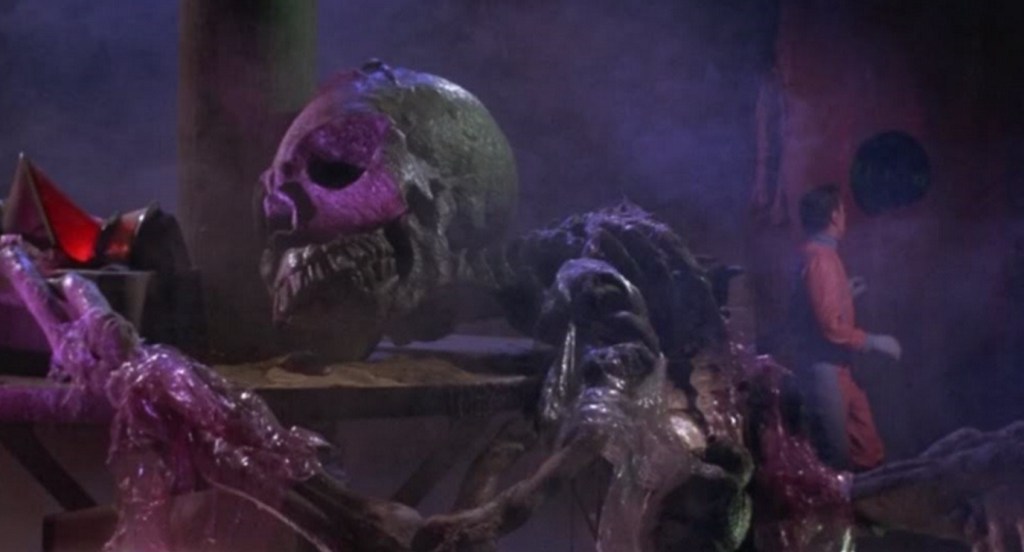
While I’m certainly not casting aspersions upon Scott, Carpenter or Anderson, it really is an indication that Bava really should be getting way more recognition than he does and while Planet Of The Vampires often feels a little stagey, there’s no denying the cloying atmosphere the director employs. Be it that desolate planet surface that’s all fog, crags and oddly unsettling use of primary colours, or the starkly designed ship interiors and striking costume design (although you’ve less chance getting to the toilet than traversing an alien landscape in the snappy, rubber, black and yellow get up the cast has to wear), the movie looks just as nightmarishly arresting as any sci-fi movie of it’s time.
While Bava us having fun with the new playground his intergalactic odessy allows him to play in, he still remembers to bring an ample supply of chills as the tone of Night Of The Living Dead meets classic Star Trek provides with such sights of the recently buried death rising from their shallow graves and tearing themselves free from opaque, plastic, body bags like futuristic shrouds or mountainous beehive of Tiona frozen in fear as unliving shapes stalk though the mists as they plot their insidious plans.
However, while the film also doubles down on a nicely bleak ending, it’s tough to truly relate to the crew of the Argos and their creepy-ass plight as they’re all kind of bland to start with and completely interchangeable once they put their space-hat, cowl things on. Also some slightly monotone dubbing spoils some of the tension too with one character recording what could have been a disconcertingly frank speech about their chances of survival – however, its rendered in an utterly monotonous tone, meaning that Kurt Russell does the same thing miles better in The Thing.
Time has regrettably blunted some of it’s more scarier edges, but taken on tone and atmosphere alone, Planet Of The Vampires (again, the villains are more possessing spirits than Nosferatu) is not only something starkly different from other 60s fare, but its uncanny resemblance to future classics marks it out as a vital watch for fans interested in the history of the genre, or some impressively kitch outfits that are just sci-fabulous.
🌟🌟🌟
 We Have Issues