


Apple TV’s Cape Fear has been a slow-burn psychological thriller that masterfully updates the classic tale of revenge with a more ambigous take. With episode 7, the series sheds any restraint it has had and fully embraces the pulp, resulting in one of the most intense and revealing chapters yet. While it occasionally veers into over-the-top territory that strains credibility, the episode’s powerhouse acting, escalating stakes, and probing questions about family and identity make it a standout.
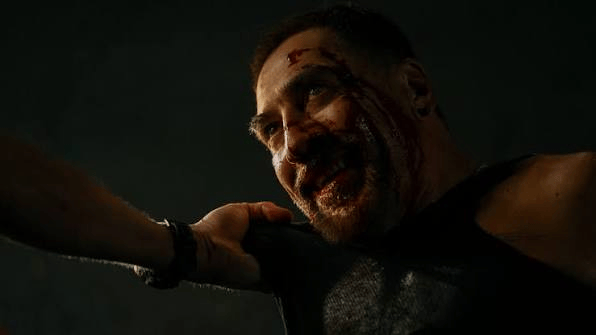
Javier Bardem continues to dominate as Max Cady, delivering a performance that blends charismatic menace with unnerving vulnerability. In Mongrel, his interactions with the Bowden family reach new heights of psychological warfare. The episode picks up directly from the shocking revelations of the previous one, with Neveah, revealed as Max’s daughter, discovered in a truly horrifying domestic intrusion. Bardem’s Cady isn’t just a vengeful ex-con; he’s a master manipulator who exploits every crack in the Bowden marriage and their parenting. His scenes with young Zack are particularly chilling, as he positions himself as a twisted father figure, sowing seeds of doubt and allegiance that feel far fetched yet still disturbingly plausible. Bardem’s physicality, with intense stares and calculated calm, make the pulpy aspects profoundly unsettling.
Amy Adams and Patrick Wilson as Anna and Tom Bowden bring their A-game as the increasingly desperate parents. Adams shines in her portrayal of a woman pushed to the brink. The moment she holds a gun on Neveah while police are en route is raw and electrically charged, showcasing her character’s evolution from composed attorney to someone willing to cross dangerous lines. Wilson’s Tom grapples with paternal failure in heartbreaking ways, especially during the confrontation at Max’s house where Zack declares his shifting loyalties. Their joint decisions to plant evidence and take extreme measures against Max highlight the episode’s central theme: how far good people will go when their family is threatened, and whether those actions erode their own morality. The couple’s dynamic rings true to the source material.

The supporting cast help to sell the over the top events. The Lily Collias and Joe Anders playing the Bowden children, particularly in their scenes grappling with identity and allegiance, deliver nuanced performances that ground the more sensational elements. Questions surrounding Natalie’s parentage finally bubble to the surface after hints right at the start, adding emotional weight and prompting a reexamination of family bonds throughout the series. CCH Pounder’s presence continues to provide a steady, authoritative counterpoint to all of the bizarre chaos happening around the family
One intriguing development in the episode is the deeper introduction to Max’s own fractured family, offering a glimpse into the roots of his pathology and creating uneasy parallels with the Bowdens. Meeting these relatives provides fascinating context and backstory, humanizing Max in unsettling ways while raising questions about cycles of trauma. However, the casting here doesn’t quite land and it’s nothing to do with the performances. It’s just very hard to buy Ron Perlman and Juliette Lewis as the father and sister of Javier Bardem, unless I missed some explanation of how a Spanish man ended up as part of a Hillbilly family.

The episode probes the nature of monstrosity: Is Max the ultimate villain, or have the Bowdens’ past actions and present desperation created their own demons? The “mongrel” motif—evoking mixed heritage, outcast status, and perhaps literal or figurative parentage ties beautifully into the unfolding family secrets. It forces a reckoning with how trauma is inherited and how revenge can masquerade as justice. Now there is no hiding of Cady’s pure evil, does it make the Bowden’s action more justified?
The series is starting to see how far it can push things but is managing to maintain the entertainment. Some plot developments strain inevitability, particularly the speed and extremity of certain parental choices that border on the irrational, even under duress and Natalie’s road trip for answers with Max even though she knows he’s up to no good. A major character death and several shocking twists lean heavily into soap-opera melodrama, moving away from the tone and pacing of the earlier episodes. It’s getting to the point where, if the creators make a wrong move, everything could come crashing down.

Despite all this, Mongrel still draws you in and leaves you wondering what craziness is going to happen next. It transforms simmering tension into explosive confrontations without losing the core psychological depth. Bardem’s Cady emerges as one of television’s most compelling antagonists in recent memory, charismatic enough to seduce, terrifying enough to haunt.
It may not be flawless, but its ambition, emotional rawness, and commitment to uncomfortable truths make it a gripping chapter in what’s shaping up to be a memorable limited series. Apple TV has crafted something that honors its cinematic predecessors while carving its own path through the dark underbelly of suburban domesticity. Fingers crossed that this can stick the landing.
🌟🌟🌟🌟