
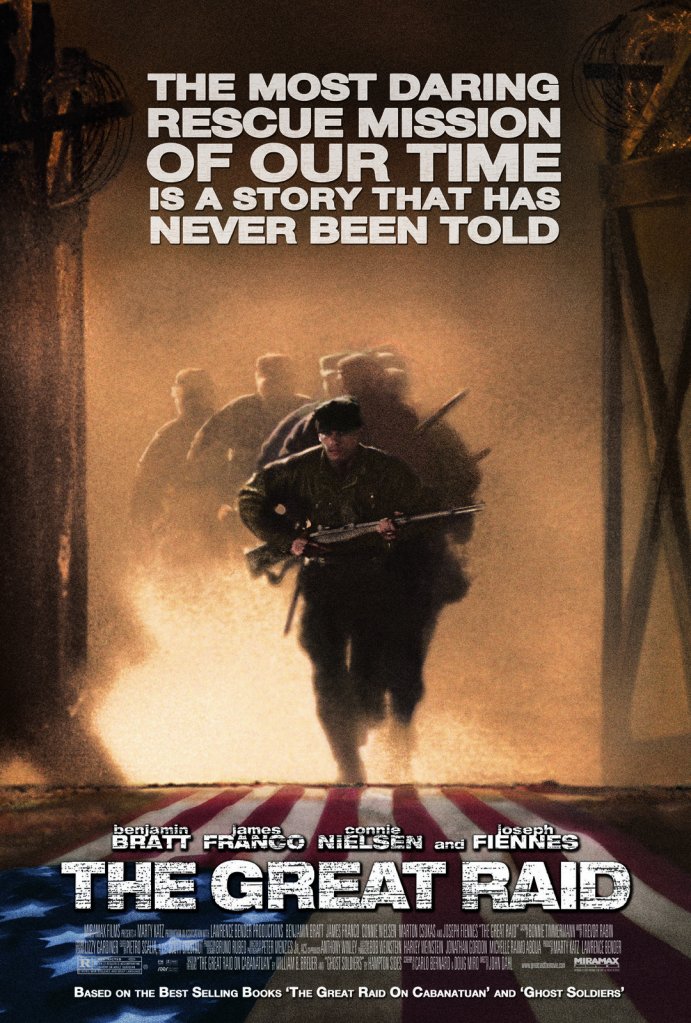

It’s hardly a revelation to point out that WWII liked to sprawl (it was a world war, after all), and so by definition, a lot of movies set in that era tend to follow suit, providing large casts, massive canvasses and the fate of the very world resting on every move. However, when can you tell if a World War II movie has cast it’s net too wide and bitten off far more than it can chew?
Telling the previously lesser-known story of the 1945 raid of a Japanese prisoner of war camp located in the Philippines, director John Dahl looked to give his movie all the sprawl you could possibly ask for by focusing on multiple aspects of the Raid at Cabanatuan simultaneously. Not only does he give us a run down of the planning and execution of the titular raid itself, but he also fixes an eye on both the POWs gradually rotting away after five years of imprisonment and the members of the resistance who diligently strived to smuggle in medicine and news to the prisoners at the risk of their own lives. However, while its scope is admirably wide, is there a chance that the film is too much war for a single movie?
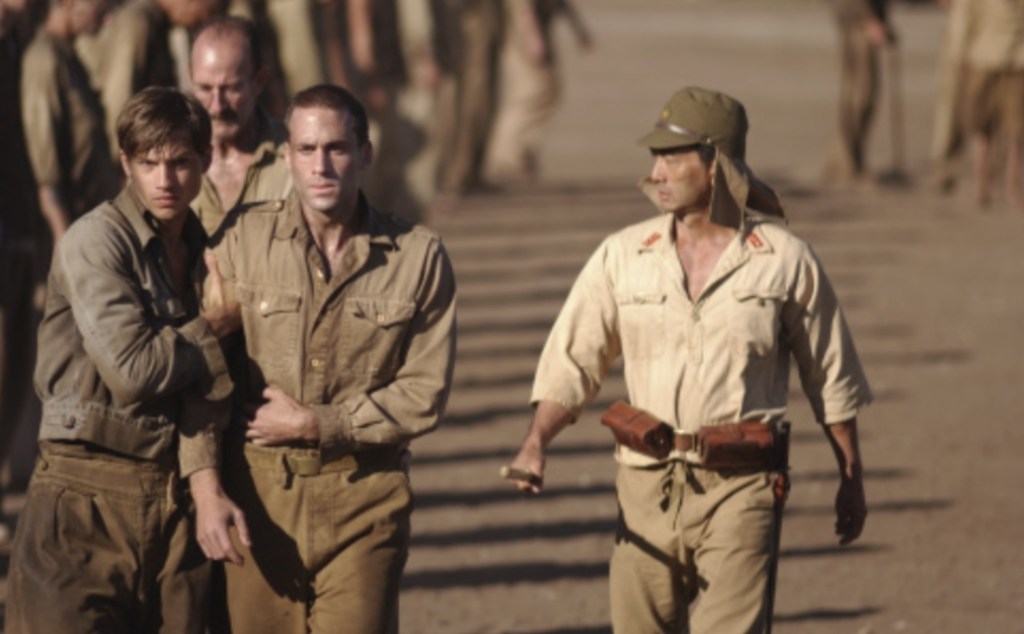
By December of 1945, the Japanese realise that with the war rapidly coming to an end, they currently still have around 500 POWs in a camp near Cabanatuan who had survived the grueling Bataan Death March. As the Japanese code of bushido views surrender as a disgrace, the prisoners contained within have suffered horrendous treatment at the hands of their captors. But while senior officer Daniel Gibson struggles with regular bouts of malaria, he tries to keep the men’s spirits up, while the wife of a former colleague, Nurse Margaret Utinsky, works with the Filippino underground movement to ensure that medicine and aid is smuggled in for the people who need it.
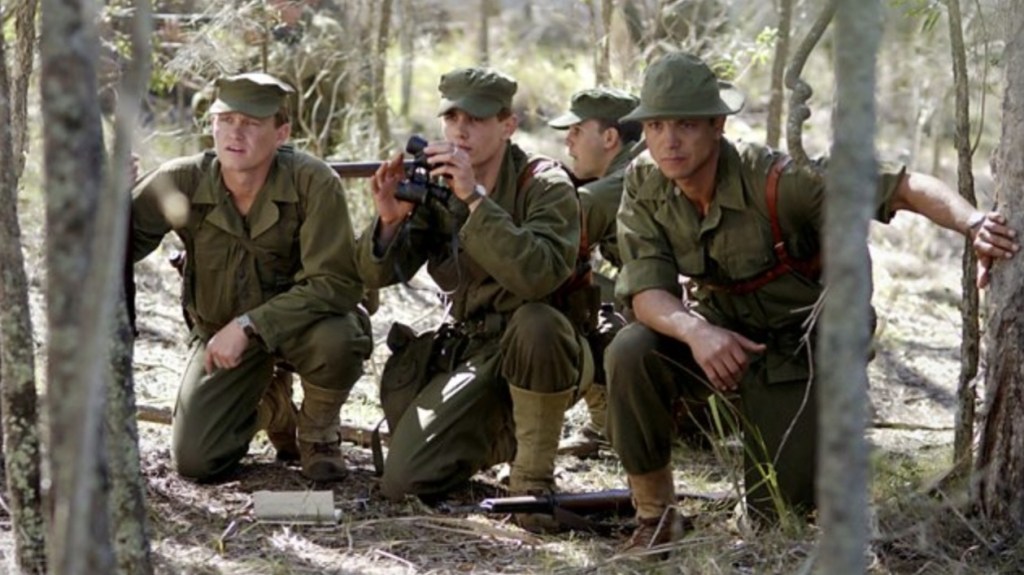
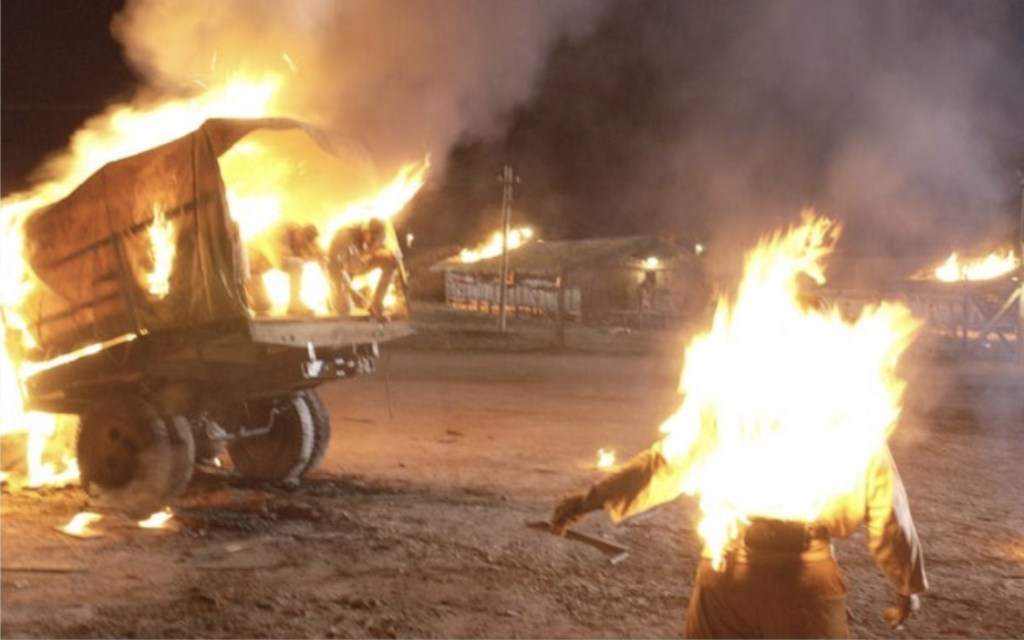
Meanwhile, at Lingayen Gulf, the 6th Ranger Battalion has been ordered to figure out how to liberate the POWs at Cabanatuan before the Japanese elects to cut their loses and kill them all. Lieutenant Colonel Henry Mucci selects Captain Robert Prince to plan the raid and carry it out with his Rangers and after setting out, they manage to gain additional aid from Filipino guerillas. However, as they make make the trek to carry out their rescue mission, the other people involved are starting to feel the pinch.
As Daniel gets progressively sicker and has to convince his friend, the headstrong, lone wolf, Captain Redding, not to escape lest he brings down the wrath of the guards, Margaret finds that her devotion to Daniel is putting her is some decidedly dicey positions once the Japanese military police start getting worryingly close. Ultimately, everything rests on the efforts of Prince and his daring plan, but is it truly possible to rescue over 500 weakened men and get them home after staging a massive firefight undercover of night? The history books say that you can.
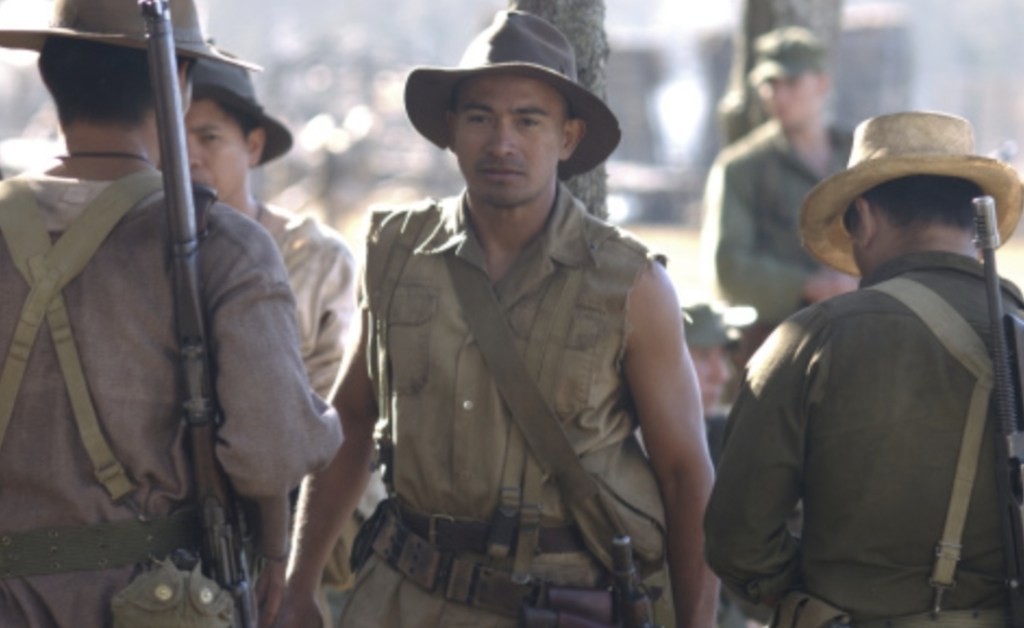
Some movies sit within that weird section where the overall experience would either be greatly enhanced if the runtime was slashed by at least thirty minutes, or extended by another couple of hours and it’s safe to say that thanks to its rather expanded scope, The Great Raid would have benefited even greater from being in one of these two camps. I appreciate John Dahl’s dedication to squeezing in three (arguably four) whole, full-sized plot lines into a single movie and his attention to detail should be commended. However, while sitting through this warts and all war film, you frequently wonder if the whole enterprise would have been far better served if the script had only picked one of them, or gone into even greater detail by adopting the Band Of Brothers approach and going for a miniseries. As it stands, the multiple plot strands are as follows; the main thread follows the Rangers as James Franco’s Captain has to figure out how to liberate an ungodly amount of sick and wounded prisoners from a POW camp enduring that they accumulate as few loses as possible, while being overseen by Benjamin Bratt’s inflexible Colonel. Dangling from this is a sub-plot is a thread that pays homage to the Filippino guerillas that were also fighting against the Japanese that rarely get a mention in the grander scheme of things as they strive for their usefulness to be recognised by the American troops. Elsewhere, we keep checking in with the POW camp itself as Joseph Fiennes’ sickly major tries to hold his men together while getting constantly piledrived by malaria and convinces Marton Csokas’ lone wolf to not bug out and get fellow prisoners shot. The final plot line covers the work of the Filippino underground as they act like the French Resistance and try to usurp Japanese rule from under their very noses, although rather than focusing on the Filippino members themselves, we see it mostly through the more Caucasian eyes of Connie Nielsen’s Nurse, who also has an unrealised, long distance love affair going on with the fading Daniel.
To be fair, any one, or even two of these plot threads would have been more than sufficient to keep an entire movie afloat, but unfortunately Dahl hasn’t got his balancing act down well enough to juggle all of them without each of the threads undercutting each other. Watching Nielsen and her co-conspiritors try to stay one step ahead as their enemy gets terrifyingly close provides genuine tension and genuine tragedy, but it ends up rubbing awkwardly against the other plots as they all seem to be completely different movies all smooshed together. While Nielsen’s parts are more of a thriller and Fiennes’ scenes are wartime drama, they end up tripping the momentum of the men-on-a-mission stylings of the main plot which strangely ends up being by far the weakest thread of the bunch. As per usual for films like this when the balance is off, not enough time is given fleshing out individuals which makes most of the troops indistinguishable from one another ensuring that it’s tough to care about them when the bullets are flying. It doesn’t help that Franco delivers his dialogue like he’s half asleep, but if Dahl really wanted each plot to merge with the other, he needed to either have the eye for ensemble movies that Michael Mann had for Heat, or the ability to blend disperate stories in a more innovative way like Christopher Nolan did for Dunkirk. While the coda reveals that the Raid of Cabanatuan ended up being one of the most successful missions of the entire war, it’s a shame that the movie can’t claim to be the same.
While perfectly acceptable in a basic, wartime movie sort of way, The Great Raid ends up shooting itself repeatedly in the foot due to each of the various plot lines all feeling like they’ve come from a different film. There’s multiple, above-average stories being told within this film, but maybe if the filmmakers had stuck to just one or two of them, we could have been gifted with something greater than merely just a “good” raid…
🌟🌟🌟

 We Have Issues