


What possesses a director at the height of their powers to suddenly decide to tackle a remake? Is it ego? Is it the urge to envisage a beloved movie through the window of their own image? Or is it the sign of an artist running dry of ideas and choosing to play things nice and safe? Well, when it comes to Martin Scorsese, the last one is obviously false; but still the question remains: after flying high on the critical accolades for Goodfellas (arguably his finest hour), why would Marty suddenly turn his attentions to remaking J. Lee Thompson’s memorable revenge thriller, Cape Fear?
In case you were unaware – or your only knowledge from the films come from that magnificent Sideshow Bob episode from The Simpsons – the original saw 6 feet three inches of Gregory Peck run into the tattooed brick wall of Robert Mitchum when the latter emerges from prison to get even with his lawyer who failed him. However, with Scorsese at the helm, expect a more sensational and savage incarnation as Robert De Niro pumps some serious iron to get some serious southern gothic chills on the menu.
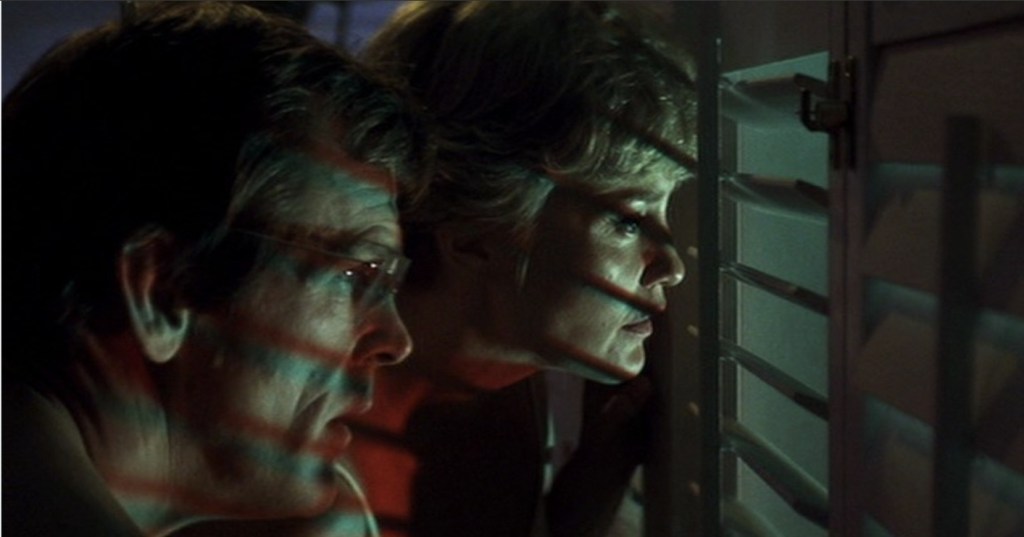
Samuel Bowen is about as flawed as an upstanding family man can be. He loves his wife, Leigh, and his sixteen year-old daughter, Danielle, but that hasn’t stopped him from racking up a string of past affairs which caused his family’s move to the town of New Essex, North Carolina. However, it wasn’t just his fidelity that was at fault back then as we find thar during his days as a public defender back in Atlanta, Sam wasn’t above burying evidence to ensure one of his own clients would do time for what they’ve done. That client was rapist Maximilian “Max” Cady, who after doing fourteen years for the brutal assault of a sixteen year old girl, has finally served his time and is released back into society a changed man.
Oh, he’s not changed for the better, mind you. Nearly a decade and a half of excruciatingly hard time has inspired him to sculpt his body into a tattooed and muscled tool for revenge and he educated his already devious mind in both the law and philosophy in order to train it on the man who he believes betrayed him. Making things even more scary is the fact that Max is utterly insane and after making his introduction to the Bowen family by obnoxiously ruining a trip to the cinema, stalks them incessantly, waiting for the perfect moment to have his revenge.
As Sam starts to find that his former client has enough knowledge of the law to avoid prosecution even when he allegedly poisons Leigh’s dog, the increasingly desperate lawyer starts look for ways to bend, then break the rules of society in order to protect himself and his family. But when hiring thugs or obtaining the services of a ruthless private investigator to outwit or out muscle Cady fails, the Bowens find themselves will a wall at their backs, especially when they discover that Max has been trying to woo Danielle in the guise of a teacher.
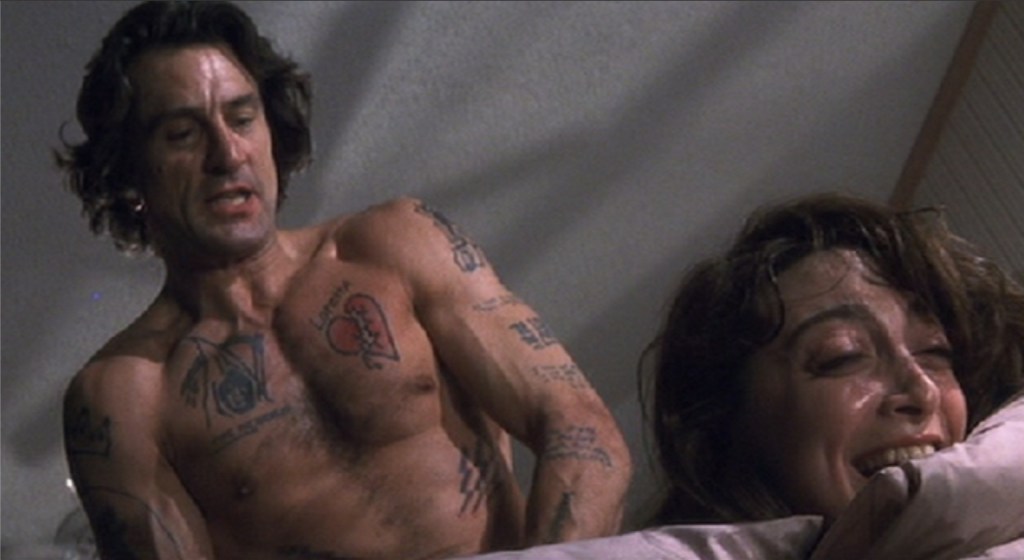
While it seems to be a strange thing to say about a merciless thriller concerning an unstoppable super-rapist targeting a dysfunctional family, the 1991 version of Cape Fear seems to be Martin Scorsese having a spot of gleefully brutal fun. If you find that hard to believe, then all you have to do is take a look as from the word go, the director seems adamant to grab the plot of the original movie in a headlock and bodily drag it into the realms of the exploitation film. As a result, the movie is infused with a type of animalistic momentum that feels less like Marty wants to do right by the original and more like he wants to attack it by applying the same brand of violently exaggerated, Hitchcockian tropes usually deployed by his old buddy, Brian De Palma. As a result, there’s barely a scene that doesn’t resort to some sort of random crash zoom, whip pan, or a constant zooming in while a character is talking and thanks to this incredibly jittery camera work, the film utterly refuses to sit still even throughout its quieter moments. In fact, there’s also a sense of some Paul Verhoven style showboating in there that pumps every character full with a feeling of intense, sweaty urgency that unsurprisingly turns the tension up to unbearable levels.
Obviously, it’s smart for Scorsese to keep his thriller thrilling, however, there’s also a sence that he’s ramped up the hyper realism as to not get eclipsed by his old muse, Robert De Niro, who delves worrying deep into the inked skin of Max Cady. In a decade of memorable lunatics (let’s not forget the 90s also gave us Hopkins’ Hannibal Lector, Bates’ Annie Wilkes and DeMornay’s deranged nanny in The Hand That Rocks The Cradle), there’s something odiously noticable how the actor blends intelligence, brutality, charisma and shameless grandstanding to create a villain who should veer into the realms of an absurd pantomime written by James Ellory, but instead keeps you bolted to the spot.

Maybe it’s because De Niro was more known for his more smoldering, introverted psychos such as the awkward Travis Bickle or the unfeasibly cold Jimmy Conway in Goodfellas, but watching old Bobby De Niro take the Al Pacino route and try to bring the rafters down proves to be a terrible delight. Whether he’s making you feel uncomfortably nauseous as he tries to seduce Juliette Lewis’ Danielle; horrified as he attacks Illeana Douglas’ flirty clerk with bestial fury; or disturbingly charming as he checks of iconic moments here, there and everywhere. Hell, even the Prince Charles Cinema in Leicester Square once used the scene where Max cackles loudly throughout a screening of Problem Child as a PSA to ask patrons to respect their fellow cinema goers.
However, while Nick Nolte and Jessica Lange do well to keep their heads above water as the disintegrating central couple, all are ultimately dwarfed by the exceedingly smart decision to let composer Elmer Bernstein retain Bernard Herrmann’s original which almost acts as Cady accomplice when it comes to building up his presence. But with all this in play – plus a genuinely crazed final showdown to boot – I’ve still always been most beguiled by all that fun Scorsese is plainly having. Being it liberally stealing from slasher films (Nolte’s slip on the blood slick was blatently swiped from Halloween II, the finale is unkillable villain 101 and Wes Craven was doing familes turning feral back in the 70s), or cheekily casting both Peck and Mitchum to play characters who oppose the roles they played back in 1962, it’s clear that relieved of the pressure of presenting a (slightly) more classic slice of good vs evil, Marty is blowing off some noticably violent steam.
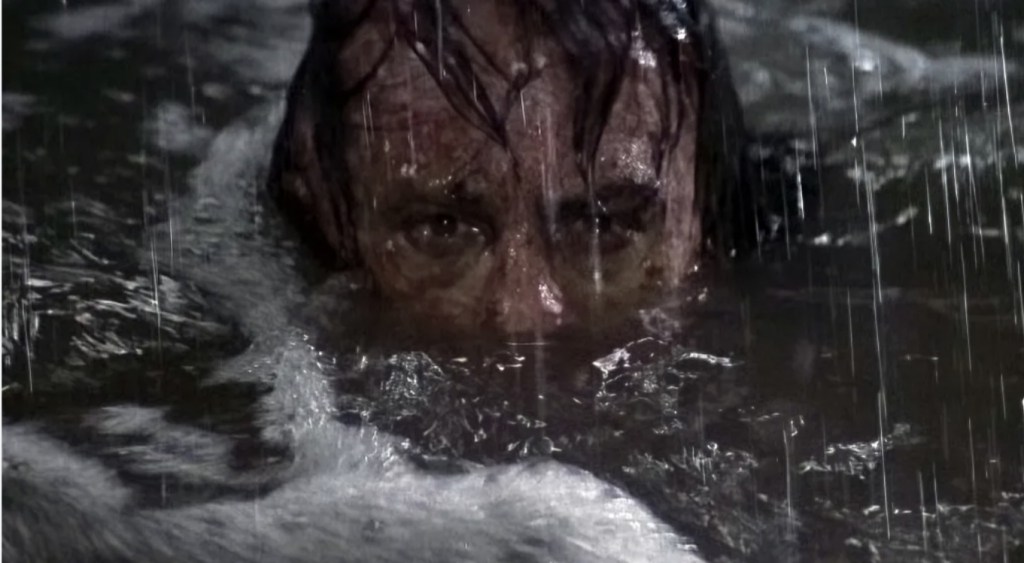
Whether this version of Cape Fear tops its predecessor is mostly down to the question of taste as Scorsese’s relentless choices add lashings of gory hysteria to the original. However, when it comes down to Scorsese and De Niro pushing the thrills as wildly as they’ll go, you’ll be glad that the Bowens would go all the way to the aptly named Cape Fear and not stop off at Nervous Cove or the Bay Of Jitters instead. Now, if you don’t mind, I’m going to bellow “Counsellor” down a dark alley for a bit.
🌟🌟🌟🌟

 We Have Issues
I saw this remake first in the cinema. Then sometime later I saw the original which made me feel like I was seeing the story for the first time. That may seem rare. But it certainly made me understand how the hype for a remake can enhance how it plays out for better or worse. Seeing how Robert De Niro could build on what Robert Mitchum created with Max Cady, how Juliette Lewis earned her Oscar nomination, or how the directing talents of Martin Scorsese would influence any of its inevitable differences (especially the ending) were attractive enough. Personally Cape Fear holds up as a cautionary tale of all those like Max Cady that we must watch out for. So seeing what Javier Bardem could do with the role in the next reinvention could be curious at best. Thank you for your review.
LikeLiked by 1 person