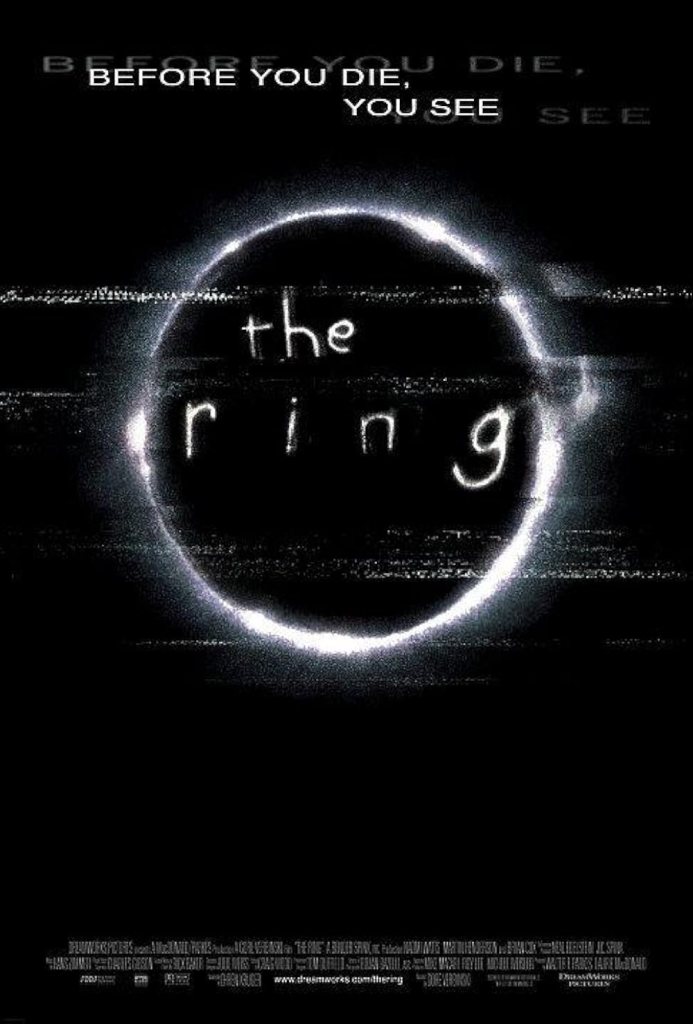

It was a time where the slasher film had once again begun to grow stale and the American horror genre was looking for its next muse when it came to freaking the crap out of audiences the world over – but beyond masked killers with knives, where else could it go? Wes Craven’s Scream and a slew of imitators had pretty much mocked the rules of old that simply going backwards seemed impossible, so a brand new approach was needed that not only shut the mouths of film savvy teens, but most of all was scary as hell.
Inspiration eventually came twofold and changed the game in multiple ways – but surely even the most aggressive gambler wouldn’t have bet the farm on an American remake of a Japanese hit that was directed by the guy who made Mousehunt? And yet, that’s exactly what it took to shake the genre out of its self-aware slice ‘n dice phase; and the second incarnation of Ringu not only opened the door (or turned on the TV) to J-Horror as a worldwide, but it’s a pretty damn good remake too.
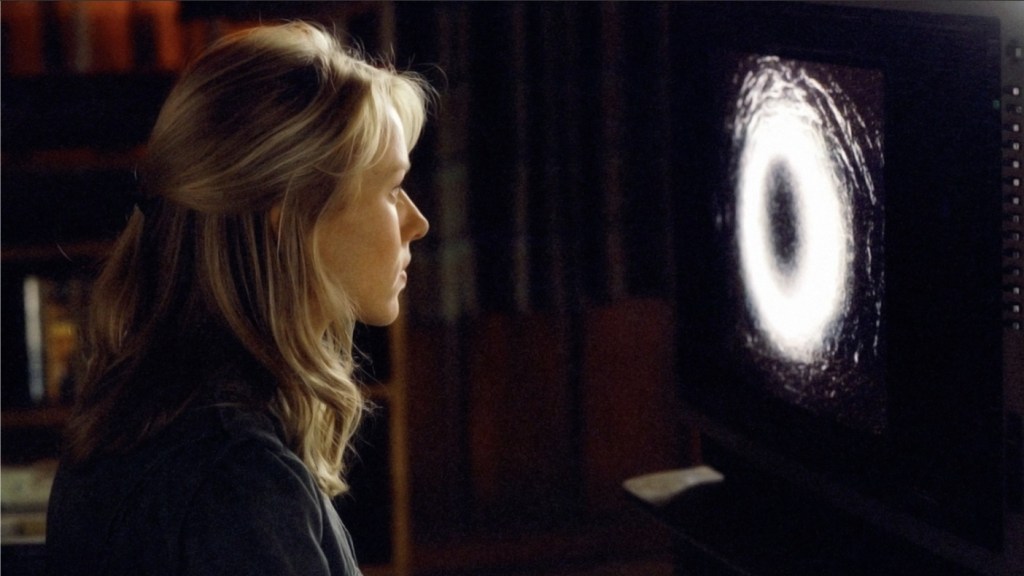
After her niece suddenly dies under some pretty strange circumstances, Seattle-based journalist Rachel is approached by her sister at the funeral with a desperate request to find out what really happened. Of course, anyone who watched Hideo Nakata’s instant Japanese classic, Ringu, is already way ahead of the curve – but for those playing catch up, it seems that the teenage girl had found herself in the middle of a strange urban legend that tells of a cursed videotape that once watched, will spell your doom in exactly seven days.
But while Rachel gets to work trying to unravel the truth of such a tall tale, she’s also trying to raise her distant eight year-old son, Aidan who proves to be something of a challenge all by himself. However, after her bloodhound skills lead her to backtrack to the Shelter Mountain Inn where her niece and her also-dead friends watched the haunted videotape in question. Of course, it wouldn’t be a horror movie if Rachel didn’t satisfy her curiosity and watch the offending tape herself and sure enough, after being bombarded by numerous, grainy, surreal images, she too gets a phone call that eerily states that she only has seven days.
Now on quite a serious deadline, Rachel decides to keep chasing the origins of the tape in the hope that she can reverse the curse that’s upon her and opts to bring in ex-husband Noah, a video analyst, to help her unravel the mystery. However, it seems that Aidan’s quite nature may be disguising some latent, extra sensory abilities and he also proves to be vital in weeding out clues before the seven days are up. But the closer Rachel gets to her death-date, the weird things become and with time ticking by it’ll take a trip to the remote Moesko Island to truly get to the bottom of things and uncover the tragic past of Samara Morgan.
Before we get started, the truly great indicator that The Ring has earned its right to exist is simply because it seemed to kick off not one, but two seismic movements in cinema at the same time. Not only did it bring an Americanization of the skin-crawling wonders of J-Horror to a contemporary western audience that frustratingly would avoid watching foreign films with subtitles like the plague; but it also technically booted up the remake craze that led to The Texas Chainsaw Massacre getting the ball rolling. Now, hailing a movie for inspiring not one, but two simultaneous waves of remakes may sound like I’m worshiping cinematic armageddon, but despite some of the shite that came from such a movement, Gore Verbinski’s take on Hideo Nakata’s legendary chiller proves to be one of the rarest of things – a remake that is so in tune with its original, they almost seem to merge to create the perfect version.
Much like how Alexandre Aja’s Hills Have Eyes remake seemed to vine with Wes Craven’s version, Verbinski’s reimagining keeps the exact same beats of the original, but whenever it comes to a place where Nakata’s film is a bit too dry and needs a bit of a kick up the backside, the 2002 version will throw in a more visual moment to up the stakes. A random, but truly crazed horse attack on a ferry proves to be one of the many moments where Verbinski actually improves on the source material, taking it beyond Nakata’s more restrained style. However, whenever the remake starts to find that it’s desire to let its imagination run away with it a little, my brain snaps back to the minimalist trappings of the 1998 version to continue those stark, disturbing scares. As a result, I actually couldn’t tell you which version I prefer, which is probably one of the greatest blessings you could give a remake that only came out four years after the original was released, as the two versions are constantly neck and neck all the way through.
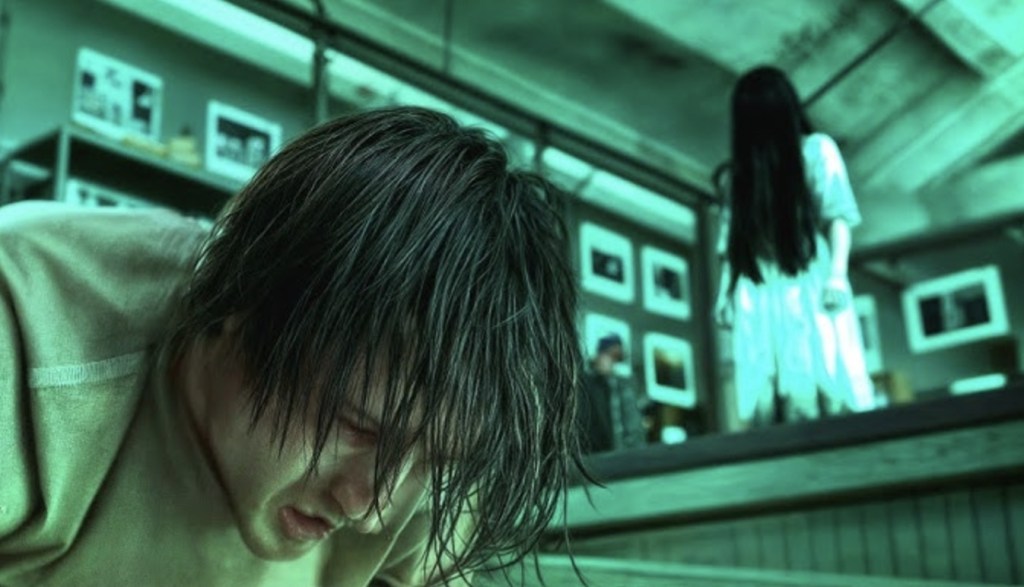
But to finally let this version fly solo for a bit, Verbinski just gets the nuances required to deliver a creeping, deliberately paced creeper such as this while still delivering a vision of his own. Sucking out the colours to give everything a sickly, Matrix green, the oppressive dread of some otherworldly force looming over the various players is so tangible you can almost breathe it and the film retains the sense of social awkwardness that everybody has. Both Naomi Watts’ Rachel and Martin Henderson’s Noah have an entire history together that’s barely alluded to and made all the more uncomfortable concerning the latter’s feelings about their son, but the script wisely keeps things painfully unsaid in order to make the horrors all the more tragic.
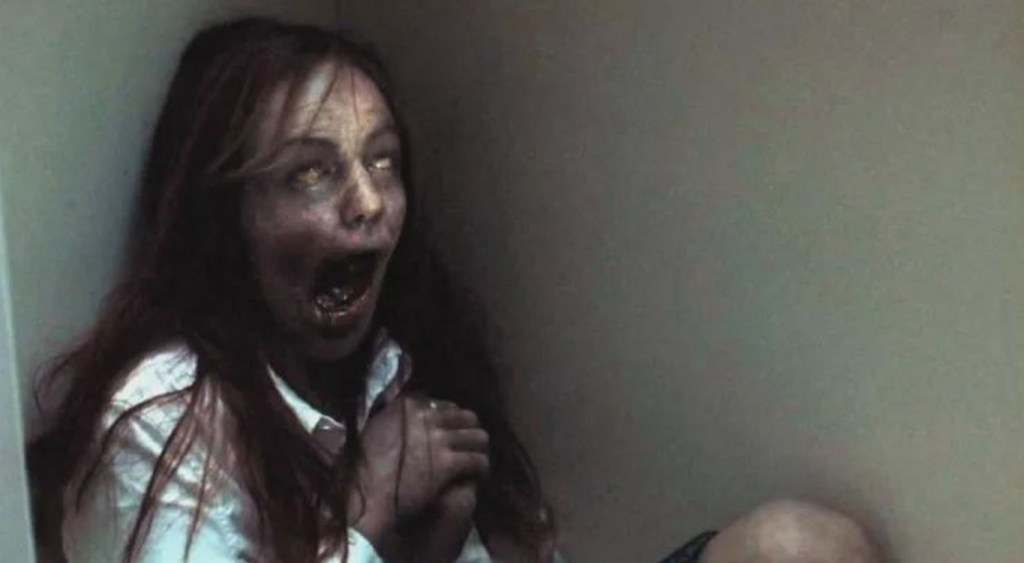
A few things are lost in translation. That infamous, final act sequence loses a surprising amount of effectiveness when you start flinging Wes Craven Shocker-esque levels of visuals around (Sadako didn’t need CGI glitching to scare the literal shit out of you), but every time you think that the Americans are in danger of blowing it, they’ll a little touch in that utterly redeems their version. For example, that brief cut we get of the twisted features of Samara’s victim delivers a shock of Exorcist III proportions and the bizarre, avant-garde montage of images seen on that troublesome tape is far creepier than the original.
I often wonder how I would feel if I had seen Verbinski’s version first, after all, if you’ve seen Nakata’s film, there’s nothing here that’s massively different (the plot, the discovery of the well, that twist), but again, when you consider all the strikes The Ring should have had against it for anyone who loved Ringu, the fact that it’s held in such high regard is prove that this partucular Ring demands to be answered.
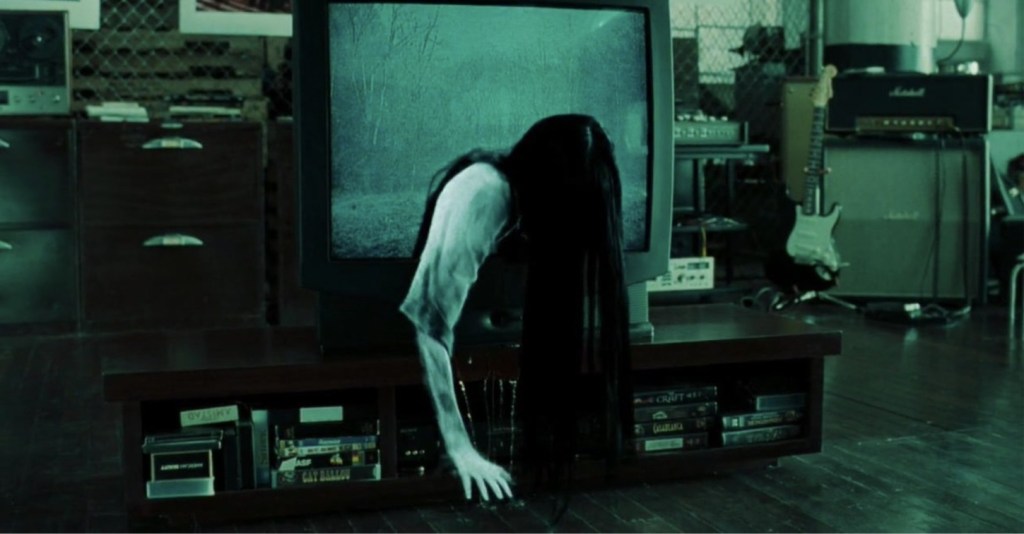
To witness that rarest of things – a foreign film and it’s American remake standing on completely equal ground – is something weirdly special, especially when it feels like the misadventures of both Samara and Sadako have each other’s back. Whether you disagree and favour either version more is entirely down to you, but I think it’s pretty cool that both movies are virtually equal.
🌟🌟🌟🌟

 We Have Issues