


We Have Issues offers audio versions of articles using Instaread. Some words may be mispronounced.
The third episode of the second season of The Terminal List, titled Shooter Ready, brings James Reece fully back into the operational world he left behind, while the investigation in Washington begins to expose the edges of a larger conspiracy involving diverted weapons. The episode balances methodical character work with a sudden eruption of violence that solidifies this season’s mission.

It opens with Reece in restraints, being moved under tight security. He is taken to meet Freddy Strain, an old comrade now operating in the intelligence world. The conversation is direct. Intelligence indicates that Mohammed Farooq, once an ally from Iraqi special forces, has defected and aligned himself with a resurgent Al Qaeda network. Freddy proposes that Reece help locate him and attempt to turn him back. In return, Reece would receive a full pardon for the events of the previous season and access to surgery that could address the brain tumour that has hung over him. The offer is business rather than sentimentality. Reece weighs it carefully, still reluctant to accept that Farooq has truly turned.
Reece is then moved to a remote CIA black site in the Atlas Mountains of Morocco. There he operates under the cover name James Donovan and comes under the supervision of Jules Landry, who is running the effort to find Farooq. The early sequences at the facility focus on preparation. Freddy works with Reece to rebuild his physical edge and, more importantly, his shooting. The training montages are unhurried and specific. Reece moves through submachine guns, assault rifles and pistols before settling behind a sniper rifle. At first his movements are uncertain, the muscle memory dulled by time and illness. He steadies himself, takes a breath, and with a quiet word of guidance from Freddy and an adjustment for the type of ammunition, places a clean head shot. The moment lands with quiet satisfaction. The operator is returning.

While this recovery unfolds in Morocco, the story shifts to Washington. Raife Hastings continues to dig into the weapons shipments that have been diverted into terrorist hands. He brings journalist Katie Buranek into the inquiry, asking her to apply pressure in the right places. Their trail points toward a connection with a politician and a wealthy donor named Stewart McGovern. Katie meets with him in an attempt to shake loose more details while Raife listen on through a bug in a coffee cup. The exchange is tense and Katie leaves under the threat of legal action. It’s after that that Raife hears him mention something called Kestrel during an urgent phone call. Later, while Raife is following McGovern, the man’s vehicle suddenly leaves the road and crashes. McGovern is found dead and suddenly the conspiracy is more dangerous.
Back at the Moroccan compound the atmosphere shifts without warning. The facility comes under coordinated attack. Explosions and gunfire tear through the quiet of the site. Reece and the others move into defensive positions with the efficiency of trained operators. The firefight is extended and chaotic, the camera staying close enough to convey the disorientation of sudden combat. One of the team’s cultural advisers makes the ultimate sacrifice, throwing himself onto a suicide bomber to contain the blast. The surviving operators eventually regain control of the compound. In the aftermath Reece examines the bodies of the attackers. Among them he recognises men he helped train years earlier in Iraq, including one with a clear connection to Farooq. Whatever internal resistance Reece still held about Farooq’s loyalties is now under serious pressure.
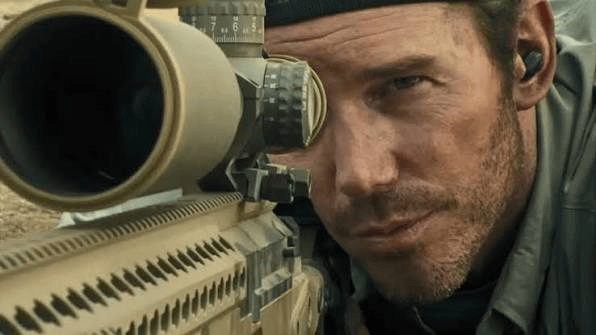
The episode handles these developments with a steady hand. Chris Pratt continues to portray Reece as a man carrying both physical frailty and absolute focus. The training sequences allow the performance to show the gradual reclamation of competence rather than an instantaneous return to form. Gabriel Luna’s Freddy provides a grounded counterpoint, practical and loyal without unnecessary exposition. Luke Hemsworth’s Landry brings a sharper edge to the black site scenes, overseeing the operation with the air of someone who understands the political as well as the tactical dimensions of the work but gives of the air of being slightly unhinged. On the Washington side, the interplay between Tom Hopper’s Raife and Constance Wu’s Katie feels pricklely, two people who don’t trust each other but need to work together. Their investigation moves forward through conversation and careful pressure rather than sudden revelations, which makes the abrupt death of McGovern all the more effective.
The episode refuses to rush to answers. Reece does not simply accept the intelligence about Farooq at face value. His reluctance is rooted in shared history and is allowed to persist until the physical evidence on the ground forces a reassessment. Similarly, the Kestrel thread is introduced through incremental discovery rather than a single dramatic dump of information. The sudden death of McGovern closes one avenue while opening a more ominous one, leaving you with the sense that the conspiracy reaches further into official channels than first appeared.
The relationship between Reece and Freddy receives particular attention and benefits from it. Their shared history as SEALs allows for economical exchanges that convey trust without lengthy speeches. When Freddy guides Reece through the final stages of marksmanship the moment feels earned and their bond grows through conversations on fatherhood. Landry’s presence adds a layer of institutional caution. His oversight of the Farooq operation suggests competing agendas within the agency itself, a tension that is growning in the background. On the domestic front the partnership between Raife and Katie continues to develop. Raife brings the operational instincts of a former operator while Katie supplies the investigative persistence of a journalist who has already paid a personal price for pursuing difficult stories. Their discovery of the Kestrel link and the subsequent death of McGovern together push the Washington storyline into darker territory, implying that the diversion of weapons is protected by more than simple bureaucratic failure.

By the end of Shooter Ready we are set up for the rest of the season. Reece is operational again, the offer of a pardon and medical treatment hanging over his renewed purpose. The confirmation of Farooq’s apparent involvement has altered the nature of the hunt. In Washington the investigation into Kestrel has lost its most direct source and gained a sharper sense of threat. The episode does not resolve these tensions, nor does it need to. It deepens them, leaving the characters and us with a clearer view of the dangers ahead.

Where to watch The Terminal List – Season 2, Episode 3: Shooter Ready (2026):